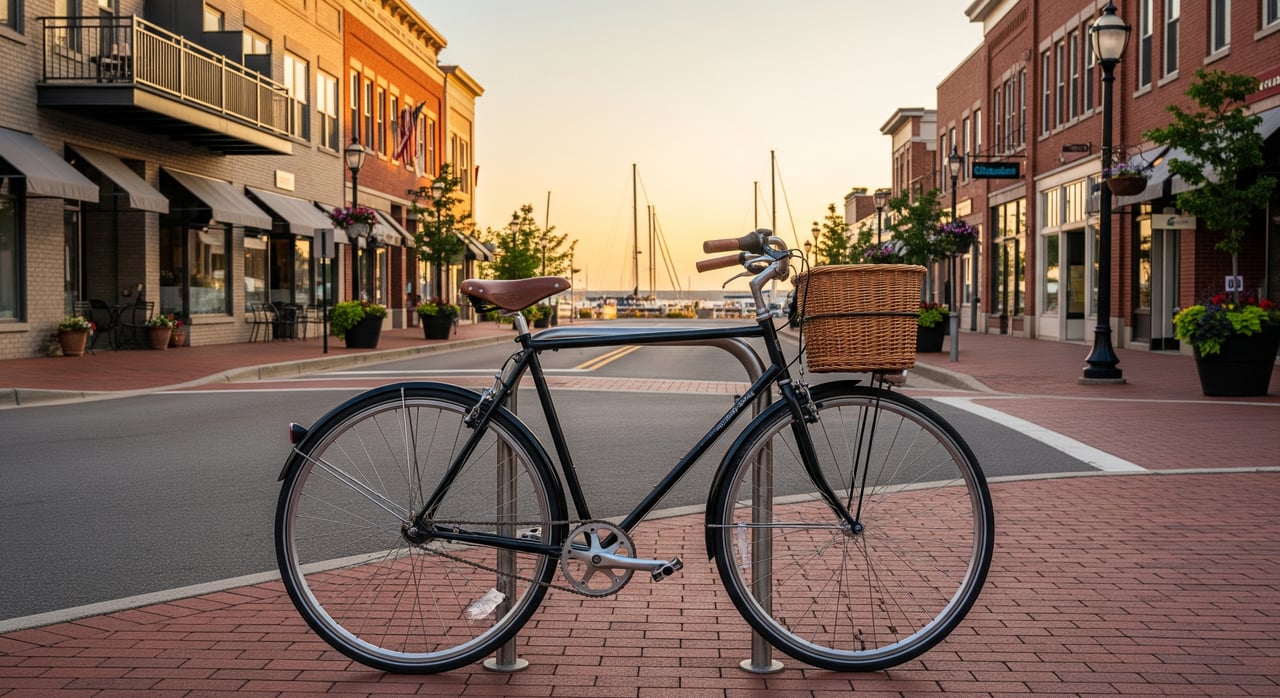
Could you live steps from your favorite café and the bay without owning a car? If you’re picturing a downtown Traverse City condo or brownstone, the answer is often yes, with a few smart adjustments. You’ll find daily errands, parks, and culture within a short walk, and there are workable options for the trips that do require wheels. This guide walks you through what car-free living actually looks like downtown, from weekday routines to seasonal shifts, so you can decide if it fits your lifestyle. Let’s dive in.
Why downtown works without a car
Downtown Traverse City is compact and mixed-use. Along Front Street and the Boardman River corridor, you’ll find restaurants, cafés, small markets, salons, banks, and professional services clustered together. That density puts many of your daily needs on foot-friendly blocks.
Housing in the core includes low- to mid-rise condos, townhomes, and historic building conversions. Many are within a few blocks of the waterfront and riverwalk, which makes quick errands and evening strolls easy.
Everyday errands on foot
- Grab coffee, breakfast, or a quick lunch within a few minutes of most downtown addresses.
- Pick up essentials at small grocers or specialty markets nearby. Full-size supermarkets are typically a short bike ride or transit trip outside the densest blocks.
- Visit banks, salons, dry cleaners, and small medical clinics without arranging a ride.
Parks, waterfront, and culture
- Clinch Park and the riverwalk along the Boardman River offer scenic space for walks, runs, and bay access.
- Seasonal farmers markets near the waterfront put fresh produce and prepared foods within an easy walk.
- Cultural venues and festivals concentrate downtown, including film and seasonal events. You can often walk to shows, galleries, and live music.
How you get around
Walking and micro-mobility
Sidewalks, crosswalks, and compact blocks make walking your default. E-bikes and scooters can extend your range for errands, though rules and availability can change over time. Check building rules for storage and charging.
Biking and trails
A network of multi-use trails connects neighborhoods to downtown and makes biking a practical option for both leisure and commuting. On-street bike lanes and routes exist on several corridors, though comfort varies by block. If biking is part of your plan, confirm secure bike storage and convenient ground-level access when you evaluate a property.
Public transit
Local public transit offers fixed-route buses and demand-response options that can cover many routine trips in town. Service levels are more limited than large metros, so evening travel or off-peak trips may require extra planning. Before you rely on a specific route, check current schedules and service days.
Rideshare, taxis, and car rentals
Rideshare and taxis operate in Traverse City, but wait times can stretch during festivals, peak tourist months, and late nights. Many downtown residents keep a short list of traditional rental agencies or peer-to-peer options for weekend getaways, bulk shopping, or furniture pick-ups. Scheduled pickups can help during busy periods.
Airport access
Cherry Capital Airport is a short trip from downtown. You can reach it by shuttle, taxi, or rideshare without needing to own a car.
Seasonality you should plan for
Summer: busy and vibrant
Summer is prime festival season and brings more people downtown. You get more events and extended hours right outside your door, which is a plus for walkable nightlife. Expect crowded sidewalks, added noise, and longer waits for rides late at night.
Winter: snow, ice, and slower pace
Northern Michigan winters are snowy and cold. Downtown sidewalks typically receive priority plowing, but you should still allow extra time for walking and be cautious on icy patches. Biking can be limited in severe weather, and transit may be less convenient during storms. Micro-mobility tends to be seasonal.
Shoulder seasons: plan for reduced hours
In spring and fall, some businesses shorten hours and transit frequency can change. If you rely on buses or rideshare for specific routines, check schedules and plan backups.
Day-in-the-life without a car
- Morning: Walk to a neighborhood café, then take a scenic trail or comfortable street route to your office or co-working space. If you work from home, a quick loop along the riverwalk sets up your day.
- Midday: Pick up lunch from a market, drop by the bank or post office, and get back within the hour without dealing with parking.
- Evening: Meet friends at a downtown restaurant or brewery, enjoy a show, and walk home under city lights.
- Weekend: Stroll to the waterfront farmers market, bike to nearby parks, or book a rideshare or rental for a winery drive or day trip outside the core.
Practical tradeoffs and tips
Groceries and delivery
Small markets make day-to-day shopping simple. For bulk items, consider a bike with panniers, a rolling cart, curbside pickup, or delivery. Many downtown residents schedule a rental car or rideshare once or twice a month for bigger stock-ups.
Packages and building features
Delivery services are common, but busy sidewalks in peak season can raise the risk of package theft. Buildings with secure package rooms, door staff, or concierge services add peace of mind. Ask about package handling and where delivery drivers can safely access the property.
Medical and urgent needs
Primary care, clinics, and urgent-care options are in town or a short transit ride away. For specialist care farther out, plan additional travel time or arrange a ride. Munson Medical Center serves as the regional hospital system.
Accessibility and comfort
Historic conversions may lack elevators or have stairs. If mobility is a concern, confirm step-free entries, elevator access, and ADA-friendly routes in and out of the building. Check winter maintenance patterns for curb cuts and crosswalks near your address.
Costs and inventory
Downtown condos and loft-style units often carry a premium per square foot due to location and amenity access, and inventory can be limited. Review HOA rules related to deliveries, guest access, bike storage, and on-site services to ensure the building fits a car-free lifestyle.
Pets and families
Pet owners benefit from nearby parks and sidewalks for daily walks. Families should confirm childcare options and stroller-friendly routes. Some family-focused amenities may sit outside the densest core, which can add transit or rideshare planning to your routine.
Buyer checklist for car-free living
- Map your daily routes: cafés, markets, gym, bank, and medical needs within a short walk.
- Confirm grocery options: identify small markets nearby and plan how you’ll handle bulk trips.
- Test transit: review current routes and schedules for your likely trips before you commit.
- Evaluate building features: elevator access, in-unit laundry, secure package room, and bike storage.
- Plan mobility backups: know your rideshare, taxi, and rental car options, and consider scheduled pickups for busy times.
- Consider winter: ask about sidewalk snow removal priorities around your block and building entries.
- Check HOA policies: rules for deliveries, bikes, storage, and micro-mobility.
Is car-free right for you?
If you value walkability, love being near the water and downtown energy, and can plan for seasonal shifts, living car-free in downtown Traverse City is realistic for many people. You’ll cover most needs on foot or bike, use transit for common trips, and tap rideshare or rentals for special errands and weekend adventures.
If you’re considering a downtown condo, penthouse, or brownstone, let’s tailor the search to buildings and blocks that match how you live. For curated guidance and access to premium downtown inventory, connect with Lydia Wiley. Schedule a private consultation.
FAQs
Can you live car-free in downtown Traverse City year-round?
- Yes for many residents. Walking, biking, and public transit cover most daily needs, with rideshare or rentals for bulk shopping, airport trips, and off-grid day trips.
How do summer festivals affect a car-free routine downtown?
- You gain walkable entertainment and extended hours, but sidewalks are busier and rideshare waits can be longer, especially late at night.
Are trails and bike routes usable for daily commuting?
- Multi-use trails offer safe, scenic connections, while on-street bike comfort varies by block. Assess your route and confirm secure bike storage at your building.
What’s the best way to handle groceries without a car downtown?
- Use small markets for everyday items and schedule bulk trips by bike, delivery, curbside pickup, or occasional rideshare or car rental.
How do you reach Cherry Capital Airport without a car?
- Arrange a shuttle, taxi, or rideshare from downtown. Scheduling ahead helps during peak travel periods and festivals.