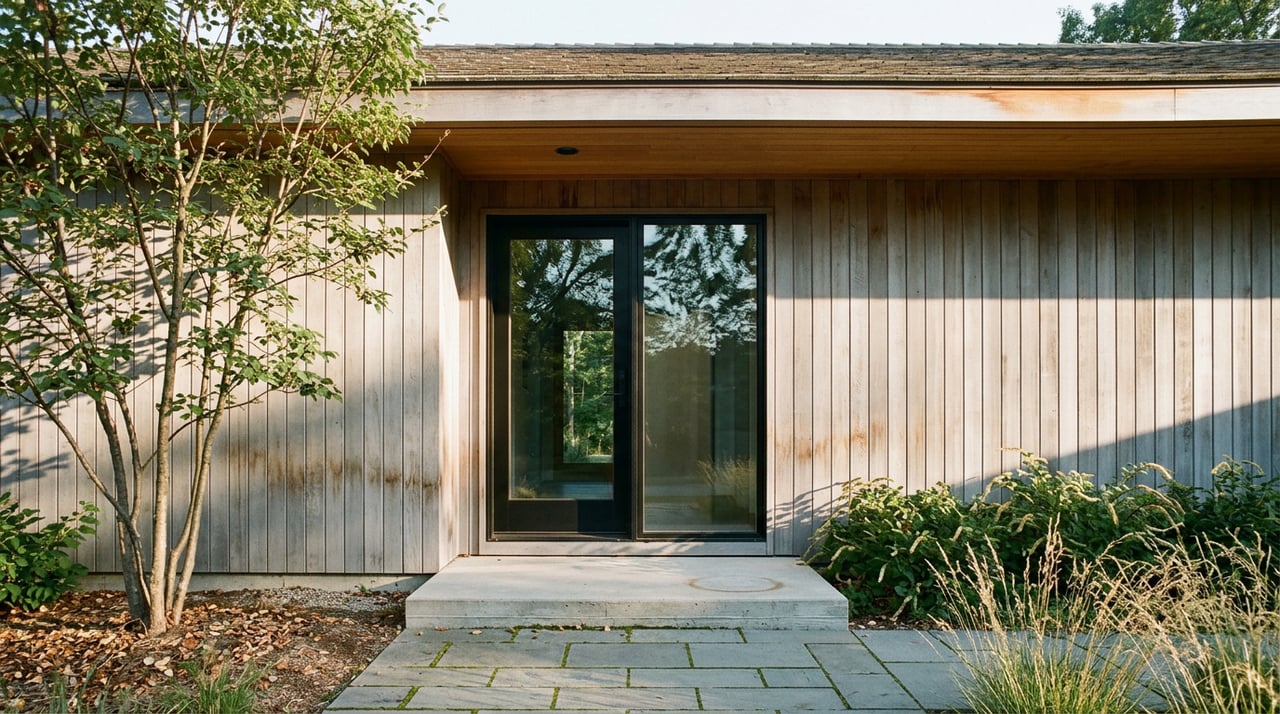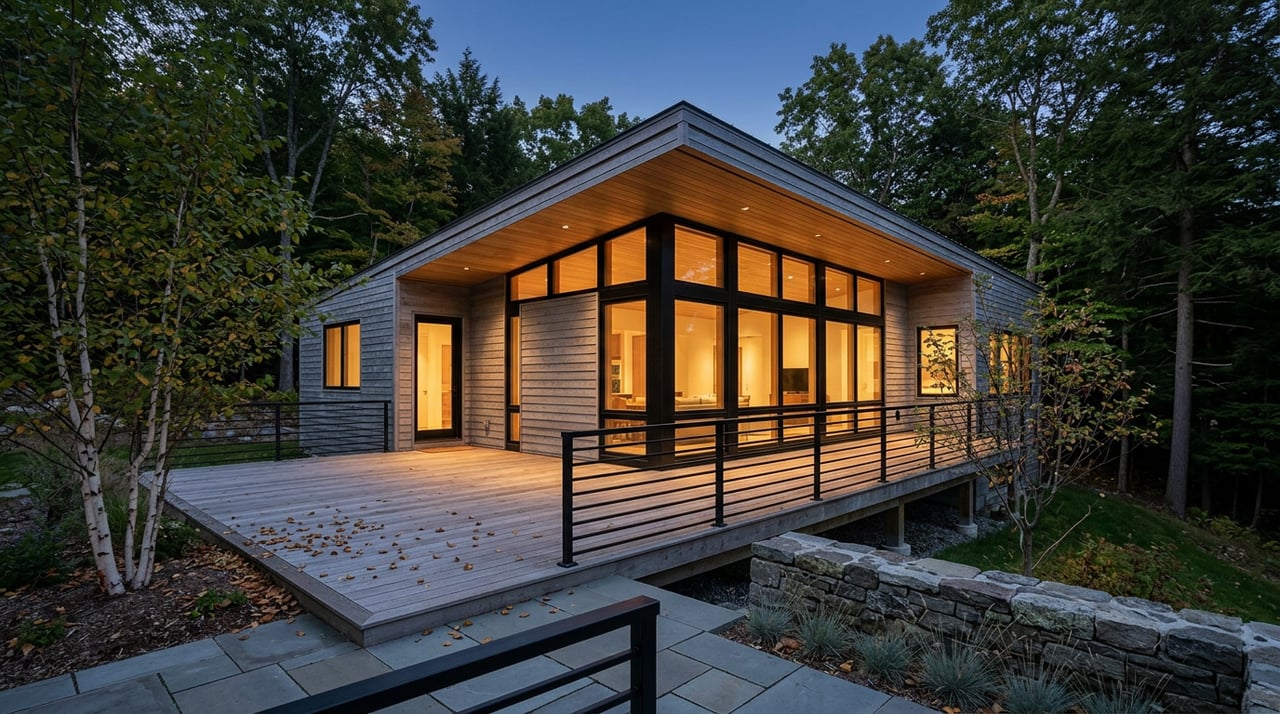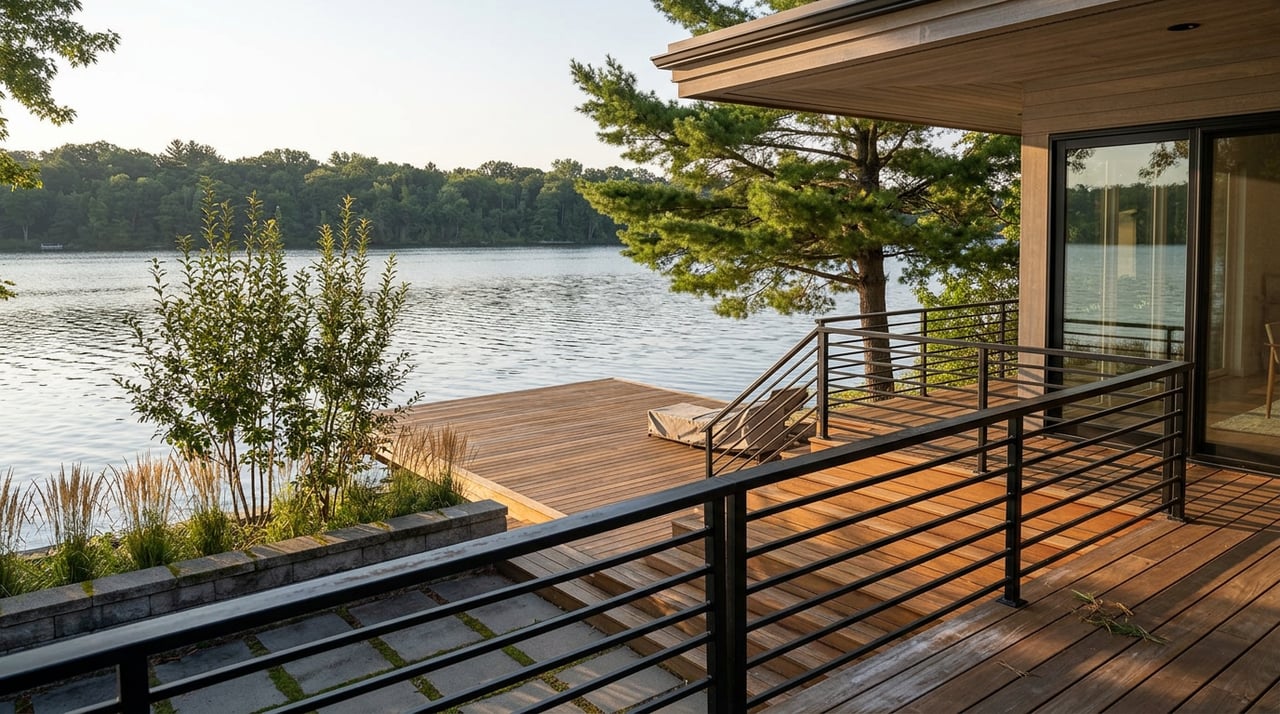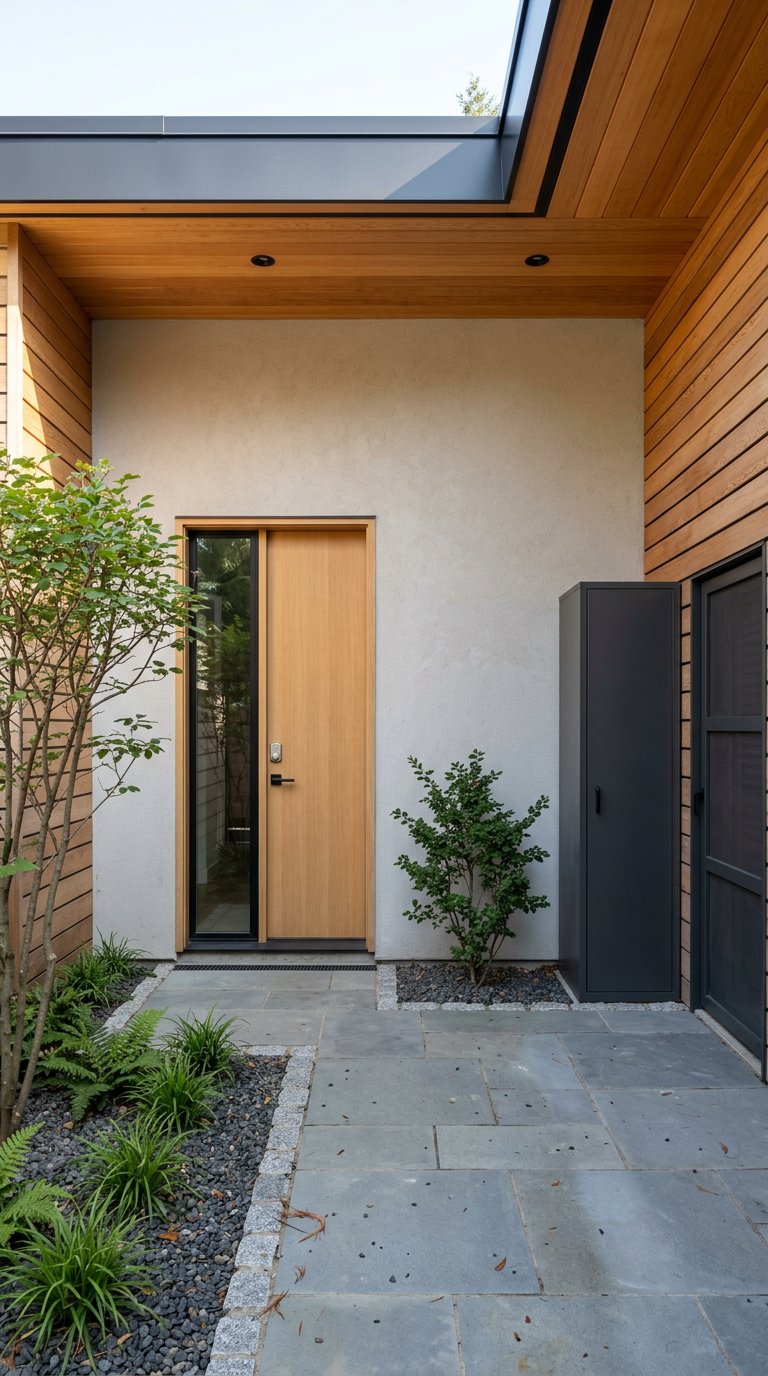
Ever wish you could close the door on your Up North cottage, turn the key, and not worry until your next getaway? In Glen Arbor, that is the promise of true lock-and-leave living. You want the beauty of Sleeping Bear country without the year-round upkeep, and you want confidence that the home will be ready when you are. This guide shows you what lock-and-leave ownership means here, what systems and services make it work, and how to buy with eyes wide open. Let’s dive in.
Lock-and-leave in Glen Arbor
Lock-and-leave ownership is a second or seasonal home you can secure and leave for days, weeks, or months with minimal hands-on maintenance. The right property has low-maintenance finishes, reliable local service partners, remote monitoring, and either an HOA or property manager to handle routine care.
Glen Arbor sits between Lake Michigan and Glen Lake and serves as a gateway to Sleeping Bear Dunes National Lakeshore. Seasonal rhythms and visitor demand shape how you use and care for a property here. For context on the area’s visitor flow and facilities, review the National Park Service’s overview of Sleeping Bear Dunes visitor centers.
Local rules to know first
Lock-and-leave often overlaps with renting your home when you are away. In Leelanau County, short-term rental rules live at the township level and they vary. Before you make plans, speak with the township clerk where the property sits and confirm current requirements for permits, occupancy, parking, and a local contact.
As one example, Leelanau Township’s ordinance requires a permit with annual renewal, a 24-hour local contact within roughly 45 minutes, occupancy tied to bedrooms, documentation of septic pumping or inspection on a set schedule for STRs, and quiet hours and parking rules. You can review the Leelanau Township STR ordinance to understand how detailed these programs can be.
Separately, the Benzie-Leelanau District Health Department now enforces a District Sanitary Code that expanded time-of-transfer well and septic inspections countywide. This affects pre-purchase due diligence and ongoing maintenance planning. Read the District Sanitary Code to see what evaluations to expect at closing.
Low-maintenance home checklist
Water, well, and septic
Most nearshore and rural Glen Arbor properties rely on private wells and on-site septic. Under the District Sanitary Code, expect a point-of-transfer evaluation when you buy, and budget for repairs if needed. Keep maintenance records organized and ask for the seller’s service history. Review the District Sanitary Code so you know what inspectors look for.
If you plan to rent, many townships require recent septic pumping or inspection on a defined schedule for STR permits. Leelanau Township’s rules call for documentation within a recurring window. Check the specific schedule in the township ordinance and build it into your annual plan.
Freeze protection and heat
Northern Michigan winters demand a strategy. Look for good insulation, frost-proof hose bibs, pipe insulation and heat tape where appropriate, and a reliable heating system. If you will keep the home heated when away for short periods, many contractor checklists recommend setting a conservative minimum in the rough 50 to 55 degree range. If you will leave it unheated for the season, fully winterize and drain the lines. For practical guidance, see this winter plumbing overview for vacation homes from Mr. Rooter.
Exterior materials and site
Choose exteriors that stand up to lake-effect weather with minimal care. Favor fiber-cement or quality siding, composite or well-finished decking, and durable roofing. Keep landscaping simple and ensure grading moves water away from the foundation.
Smart tech that pays back
Smart thermostats
An ENERGY STAR–rated smart thermostat can deliver true peace of mind. Vacation or away modes, remote control, geofencing, and temperature alerts help prevent freeze events and let you pre-heat before you arrive. Explore how these features support seasonal living in ENERGY STAR’s guide to smart thermostats.
Leak detection and auto shutoff
Whole-home water shutoff valves paired with leak sensors can stop a small issue from becoming a major claim. Systems vary by brand, but most can alert you or automatically close a valve when abnormal flow is detected. For an overview of options and tradeoffs, review this guide to automatic water shutoff protection.
Security and lighting
Monitored alarms, doorbell cameras, and lighting scenes can deter theft and signal occupancy. Pair technology with a trusted local key-holder or manager for faster in-person response when needed.
Resort and managed options
If you want the easiest path to lock-and-leave, resort-style condominiums near Glen Arbor offer turnkey convenience. The Homestead Resort area includes condominium communities with on-site management, exterior maintenance, snow removal, and centralized services. Before you buy, verify association rules for owner use and rental participation. For local context, the Glen Arbor Sun’s overview of The Homestead Resort is a helpful starting point.
Insurance for second homes
Second-home policies differ from primary residence coverage because vacant or seasonal properties carry different risks. The Insurance Information Institute recommends reviewing coverage, vacancy thresholds, inspection requirements, and endorsements for water damage, vandalism, and liability. If you rent your property, policy needs usually change. Inform your insurer about remote monitoring features and any local manager you use. Learn more in this overview on insuring a vacation home.
Build your local team
A Glen Arbor lock-and-leave works best with reliable partners. Assemble the right mix for how you plan to use the home.
- Full-service vacation or property manager. If you intend to rent, look for a firm that handles bookings, guest communication, turnovers, compliance, and 24/7 response. Compare local options using regional directories like the Leelanau Chamber’s listings.
- Housekeeping and turnover team. Schedule cleanings before each owner arrival and after each departure if renting.
- Seasonal open and close crew. Spring openings often include reactivating water, testing systems, and servicing appliances. Fall closings may include draining lines, adding non-toxic antifreeze where appropriate, shutting down irrigation, and securing exterior items.
- Snow removal and driveway maintenance. Confirm response time and whether the provider can clear the drive for your arrival after a long absence.
- Septic service and licensed well professionals. Budget for pumping on a regular cadence and inspections at transfer. For maintenance guidance and contacts, see the health department’s page on well and septic maintenance.
- Trusted trades. Keep an updated list of local electricians, plumbers, HVAC technicians, and roofers who understand seasonal property needs.
- Mail and deliveries. Set up vacation holds or forwarding during long absences to reduce clutter and risk.
Sample seasonal plan
Use this high-level plan as a starting point and tailor it to your property and township rules.
Spring open
- Turn on water, energize water heater, and check for leaks.
- Change HVAC filters and test thermostats and alerts.
- Inspect roof, gutters, siding, and decking; schedule small repairs now.
- Service septic if due and update maintenance log.
Summer use
- Keep consistent cleanings and quick turnovers.
- Review STR permit conditions if renting and confirm local contact availability.
- Test leak sensors, camera batteries, and lighting timers.
Fall close
- Drain and winterize plumbing if not heating the home through winter.
- Shut down irrigation and outdoor spigots; protect hoses and fixtures.
- Set thermostat to a safe away temperature and confirm alert settings.
- Store outdoor furniture and secure grills and fire features.
Winter check-ins
- Arrange periodic walkthroughs by a manager or key-holder if required by your insurer.
- Monitor temperature and water alerts; schedule snow service as needed.
Buying tips for Glen Arbor
Make your purchase lock-and-leave ready from day one by baking key items into your process.
Pre-offer
- Ask for well and septic service records and any prior inspection reports.
- If a condo, request HOA bylaws, rules, rental policies, and fee schedules.
- Note ages of roof, siding, windows, water heater, and HVAC; list any smart devices already installed.
Offer and due diligence
- Include inspection provisions that cover well and septic evaluations consistent with the District Sanitary Code.
- Confirm STR eligibility with the township and request written verification when possible, using examples like Leelanau Township’s ordinance as a guide for what to ask.
- Price upgrades for smart thermostats, leak detection, and shutoff valves. Review coverage options with your insurer and note any inspection frequency requirements per the Insurance Information Institute.
Pre-close setup
- Line up snow, housekeeping, and seasonal open/close providers.
- Install or program smart thermostats and water shutoff devices and test alerts.
- Create a service binder with contacts, schedules, and checklists.
First 30 days
- Establish a septic pumping cadence based on local guidance and any rental requirements.
- Photograph utility shutoffs and label breakers and valves.
- Walk the drainage paths during a rain to check grading and gutter performance.
Work with a trusted advisor
Lock-and-leave in Glen Arbor is about more than convenience. It is about protecting your time and investment while you enjoy one of the most beautiful corners of Northern Michigan. With deep Leelanau knowledge and a white-glove, advisory approach, you can evaluate resort condos, private cottages, and new construction options through a lock-and-leave lens. When you are ready to explore the right fit, connect with Lydia Wiley to schedule a private consultation.
FAQs
What is lock-and-leave ownership in Glen Arbor?
- It is a low-maintenance second or seasonal home set up so you can secure it and leave for extended periods with confidence, supported by durable materials, local services, and remote monitoring.
Can you rent your Glen Arbor second home short term?
- It depends on the township; verify current STR rules, permits, occupancy limits, and local contact requirements with the clerk, using examples like Leelanau Township’s ordinance for reference.
What inspections are required for wells and septic at purchase in Leelanau County?
- Under the District Sanitary Code, expect time-of-transfer evaluations for wells and septic systems countywide and plan for any recommended repairs or maintenance.
How do you prevent frozen pipes when you are away in winter?
- Keep the home heated at a conservative away temperature or fully winterize and drain lines, add pipe insulation and heat tape where appropriate, and use smart thermostats for alerts and remote control.
Do smart devices lower insurance costs on vacation homes?
- Policies vary; the Insurance Information Institute advises informing your insurer about monitoring devices and any local manager and confirming coverage, vacancy clauses, and endorsements.
Are resort condos like The Homestead truly lock-and-leave?
- Resort-style condos often include exterior maintenance, snow removal, and on-site management that reduce hands-on tasks; always review HOA rules and rental policies to confirm fit.