If you are torn between a charming older cottage and a more modern home in Leland, you are not alone. In a place shaped by harbor views, summer traditions, and a strong sense of history, the right fit often comes down to how you want to live there and what kind of upkeep you are ready to take on. This guide will help you compare historic cottages and new builds in Leland so you can make a more confident decision. Let’s dive in.
Why Leland Feels Different
Leland’s setting plays a big role in what buyers are drawn to. The village sits between Lake Michigan and Lake Leelanau, and its identity is closely tied to the harbor and Historic Fishtown.
That character is also reflected in places recognized for their historic importance. The Village of Leland notes the significance of its harbor setting, while the National Park Service recognizes both the Leland Historic District and the Fishtown Historic District on the National Register of Historic Places.
For you as a buyer, that means the housing conversation in Leland is rarely just about square footage. It is often about whether you want a home that feels woven into the village’s story or one that offers a more updated starting point.
What Historic Cottages Offer
Historic cottages in Leland often appeal to buyers who want a home with personality and a strong sense of place. Local stories from the Leelanau Conservancy highlight the area’s long tradition of summer cabins and cottages, often passed through generations and centered around porch living, lake views, and seasonal routines.
In practical terms, that charm usually shows up as smaller-scale homes, older materials, and spaces designed for relaxed summer use. The appeal is often emotional as much as architectural.
If you picture quiet mornings on a screened porch or a home that feels connected to Leland’s resort and fishing heritage, a historic cottage may be the style that speaks to you most. In a market like Leland, that kind of setting can be hard to replicate in newer construction.
Historic character often means trade-offs
The features that make an older cottage memorable can also come with more maintenance questions. According to the U.S. Department of Energy, many older homes have less insulation than homes built today, and a home energy assessment is the best first step for identifying insulation and air-sealing needs.
In Leland, that matters even more because of the local climate. With waterfront exposure, northwest winds, and lake-effect snow patterns, buyers should pay close attention to roofs, flashing, windows, drainage, and winter readiness.
That does not mean an older cottage is the wrong choice. It simply means you will want to evaluate condition and future improvements carefully before you buy.
What New Builds Offer
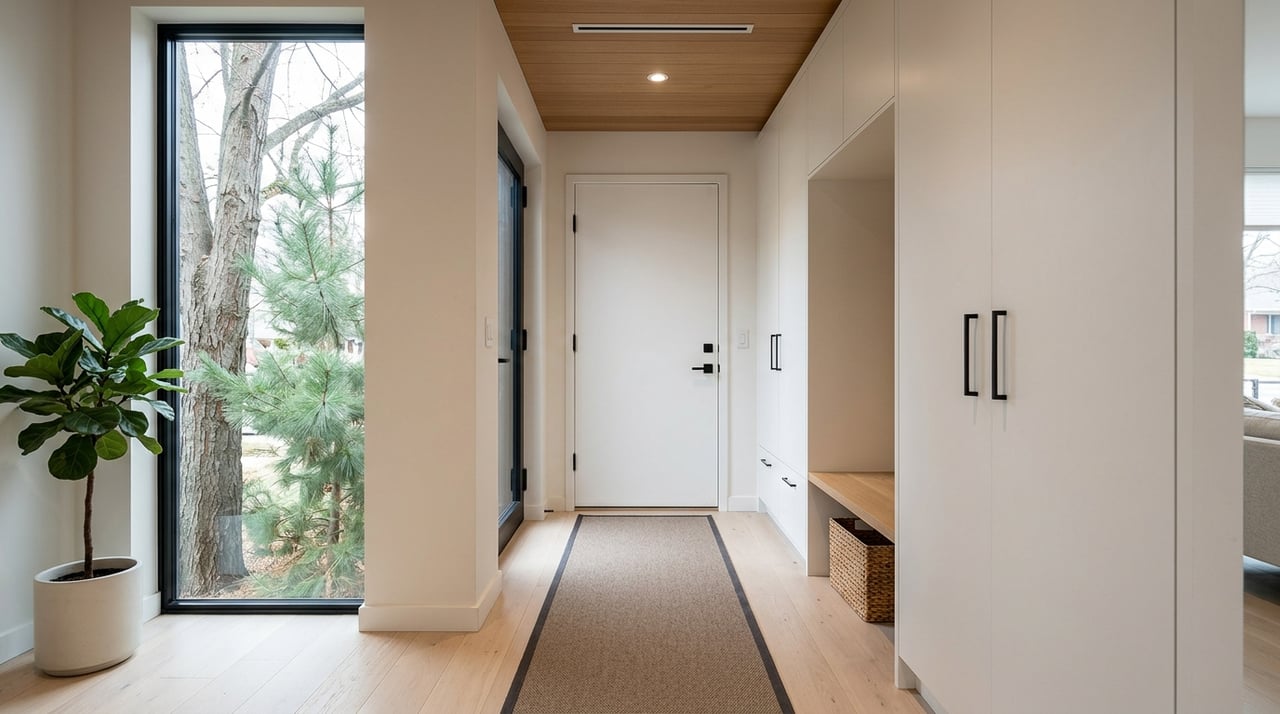
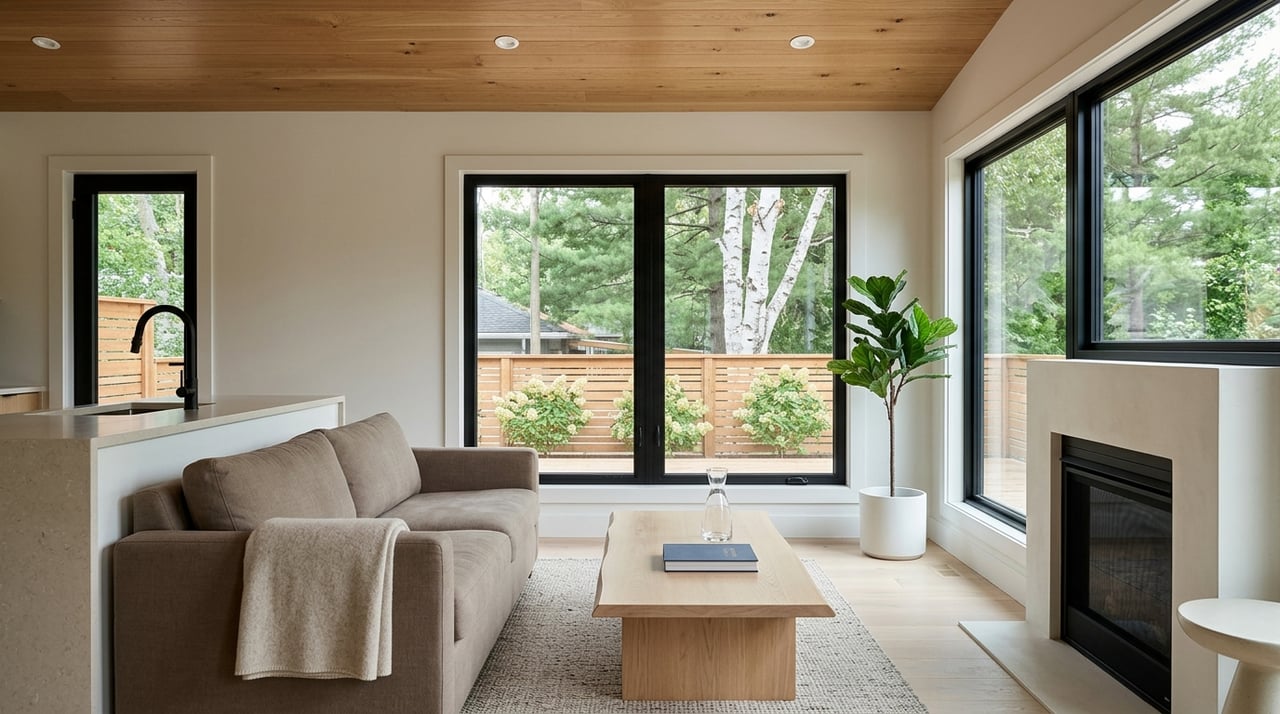
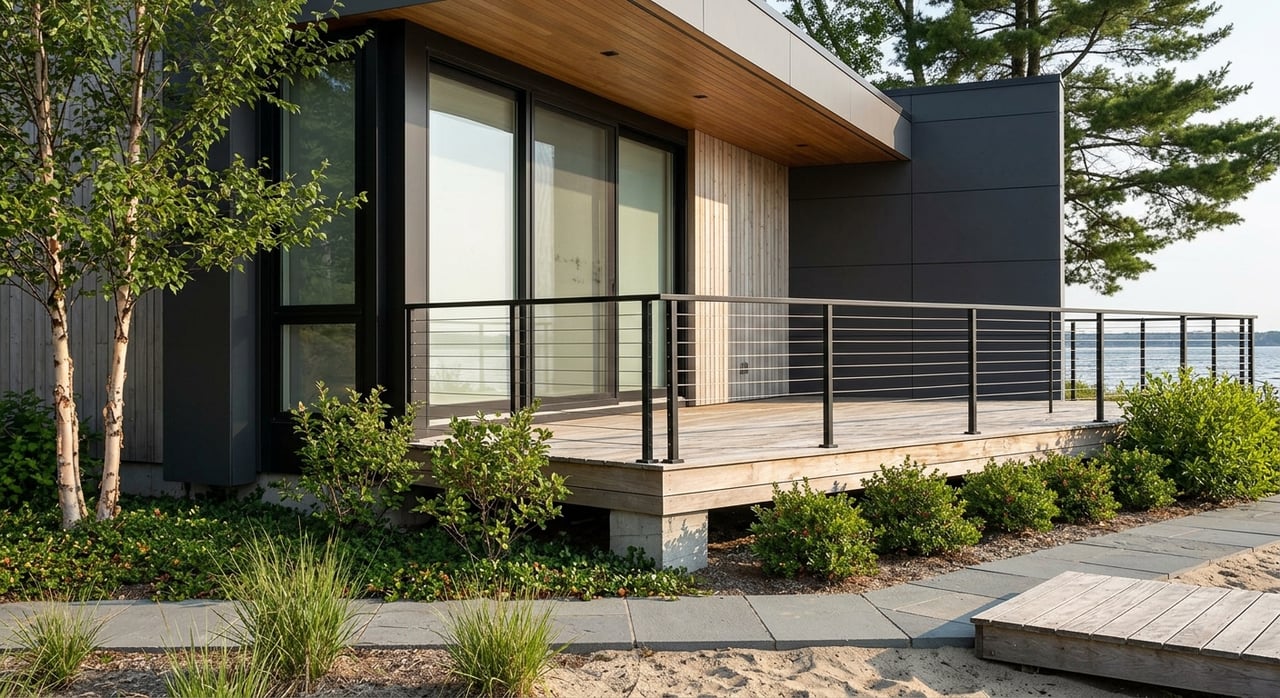
Newer homes in Leland usually attract buyers who want better efficiency, more predictable systems, and fewer immediate upgrade projects. If your goal is year-round comfort or a simpler maintenance baseline, newer construction may feel more straightforward.
The ENERGY STAR new homes program states that certified new homes are designed and built to meet strict energy-efficiency requirements and can deliver up to 30% energy savings compared with typical new homes. The program also emphasizes better systems and enduring quality.
The Department of Energy also points to features like air sealing, efficient windows, programmable thermostats, and indoor air quality measures as part of the newer-home advantage. For many buyers, that can translate into a more comfortable day-to-day experience and fewer immediate retrofit needs.
Newer does not mean maintenance-free
It is still important to keep expectations realistic. No home is maintenance-free, and not every newly built property will offer the same quality, layout, or long-term value.
Still, compared with many older cottages, a newer build is often less likely to need immediate work on insulation, windows, or mechanical systems. If you want a home that is easier to plan around for year-round use, modern comfort goals, or features like EV charging, newer construction may align better with your priorities.
How Historic Rules May Affect You
One of the most common questions buyers ask is whether a historic property comes with restrictions. The answer depends on the type of designation.
According to the National Park Service FAQ on National Register properties, being listed on the National Register alone does not restrict what a private owner may do with the property. That is an important point, because many buyers assume any historic label automatically limits future changes.
Local historic district rules are different. Under Michigan’s Local Historic Districts Act, a permit is required before work that affects the exterior appearance of a resource within a local historic district.
Ask the right question early
If you are considering a cottage that feels historic, do not stop at asking whether it is old or charming. Ask whether it is located in a locally regulated district and what that could mean for future exterior work.
That distinction can affect timelines, renovation plans, and how you think about long-term ownership. It is a small step up front that can prevent surprises later.
How To Compare Your Two Paths
In Leland, this choice is often less about which type of home is better and more about which one fits your goals. The village’s appeal is deeply experiential, from the harbor next to Fishtown to preserved community spaces like the Village Green and Hall Beach, as noted by the Village of Leland.
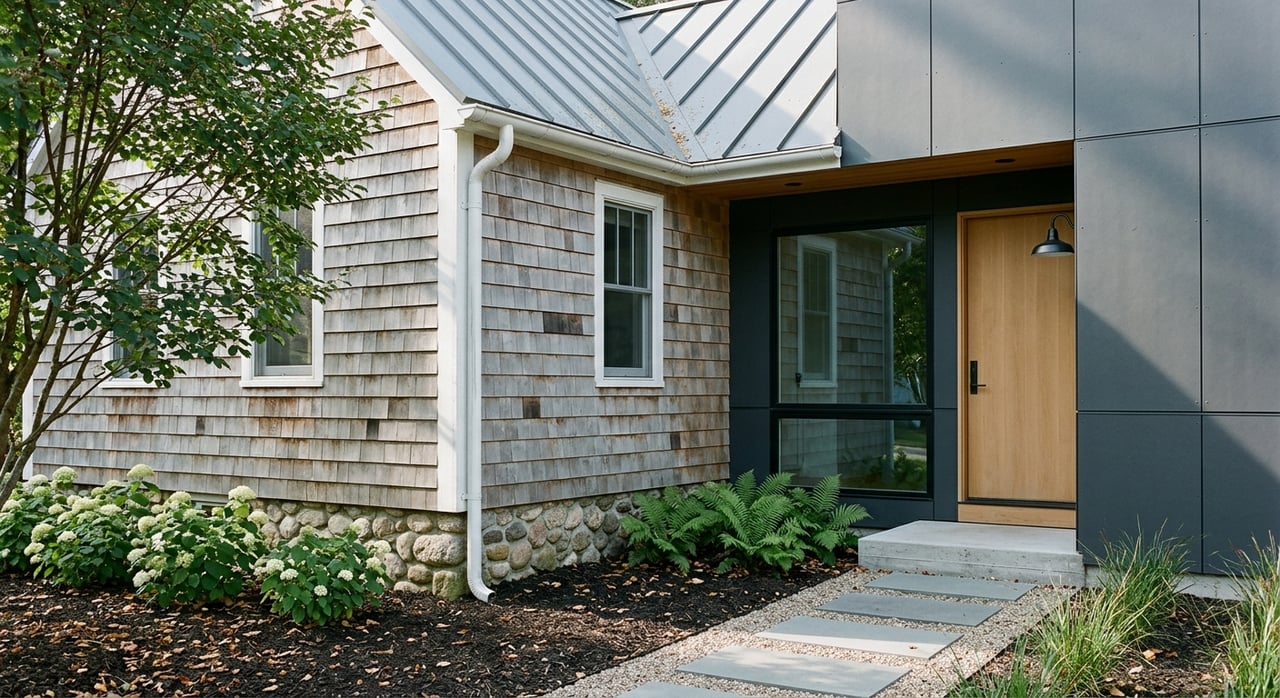
A historic cottage often suits buyers who want a home that feels rooted in Leland’s maritime and summer-house story. A newer build often suits buyers who want updated systems, a cleaner maintenance baseline, and easier year-round planning.
Here is a simple way to frame the decision:
- Choose a historic cottage if you value character, porch life, older materials, and a strong connection to Leland’s long-standing seasonal traditions.
- Choose a new build if you value efficiency, comfort, more predictable systems, and less immediate retrofit work.
Neither path is one-size-fits-all. Your ideal choice depends on how you plan to use the home, how much work you want to take on, and how important historical character is to your lifestyle.
A Smart Buyer Checklist For Leland
No matter which direction you lean, a careful review matters in this market. In Leland, the combination of waterfront exposure, seasonal use patterns, and preservation context makes due diligence especially important.
As you compare homes, look closely at:
- Roof condition
- Insulation levels
- Window performance
- Moisture control and drainage
- Heating system age
- Whether the property is set up for seasonal or year-round use
These details can help you see past first impressions and understand what ownership may really feel like after closing.
Which Option Fits Your Lifestyle?
If you are drawn to architectural provenance, summer rituals, and a home with a story, a historic cottage may feel deeply rewarding. If you prefer a more turnkey experience with modern systems and a more predictable maintenance profile, a newer home may offer more peace of mind.
In a place as distinct as Leland, both options can be compelling for different reasons. The key is matching the property to your lifestyle, your timeline, and your comfort with future updates.
If you want help weighing charm, condition, and long-term value in Leland, Lydia Wiley offers a thoughtful, high-touch approach to buying in Northern Michigan’s most sought-after markets.
FAQs
What is the main difference between historic cottages and new builds in Leland?
- Historic cottages usually offer more character, smaller-scale design, and a stronger connection to Leland’s summer-house heritage, while new builds usually offer more efficient systems and fewer immediate upgrade needs.
Do historic homes in Leland always have renovation restrictions?
- No. The National Park Service says National Register listing alone does not restrict private owners, but local historic district rules may require permits for exterior changes.
Are older cottages in Leland always less efficient?
- No. The Department of Energy says many older homes have less insulation than newer homes, but a home energy assessment can help identify where upgrades may improve performance.
Are new builds in Leland maintenance-free?
- No. No home is maintenance-free, although newer homes often start with a stronger baseline for energy efficiency and building systems.
What should buyers inspect carefully when comparing homes in Leland?
- Focus on roof condition, insulation, window performance, moisture control, heating-system age, and whether the property is intended for seasonal or year-round use.