Choosing between waterfront and in-town living in Traverse City sounds simple until you picture your actual day-to-day life. Do you want to wake up steps from the bay, or would you rather have easier access to downtown, parks, trails, and city services all year long? If you are weighing both options, this guide will help you compare lifestyle, upkeep, seasonality, and practical details so you can make a confident move in Traverse City. Let’s dive in.
Why this choice matters in Traverse City
Traverse City offers a rare mix of shoreline beauty and everyday convenience. The city sits along East Grand Traverse Bay and West Grand Traverse Bay, with an official population of 15,678 and a daytime population that grows to more than twice that size.
That balance helps explain why your location choice matters here. You can enjoy a small-city feel while still depending on busy downtown amenities, waterfront recreation, and year-round services.
Another important factor is that private shoreline is not the only way to enjoy the water. Traverse City has more than 35 parks and recreation properties, and several major waterfront amenities sit right within city limits.
What waterfront living offers
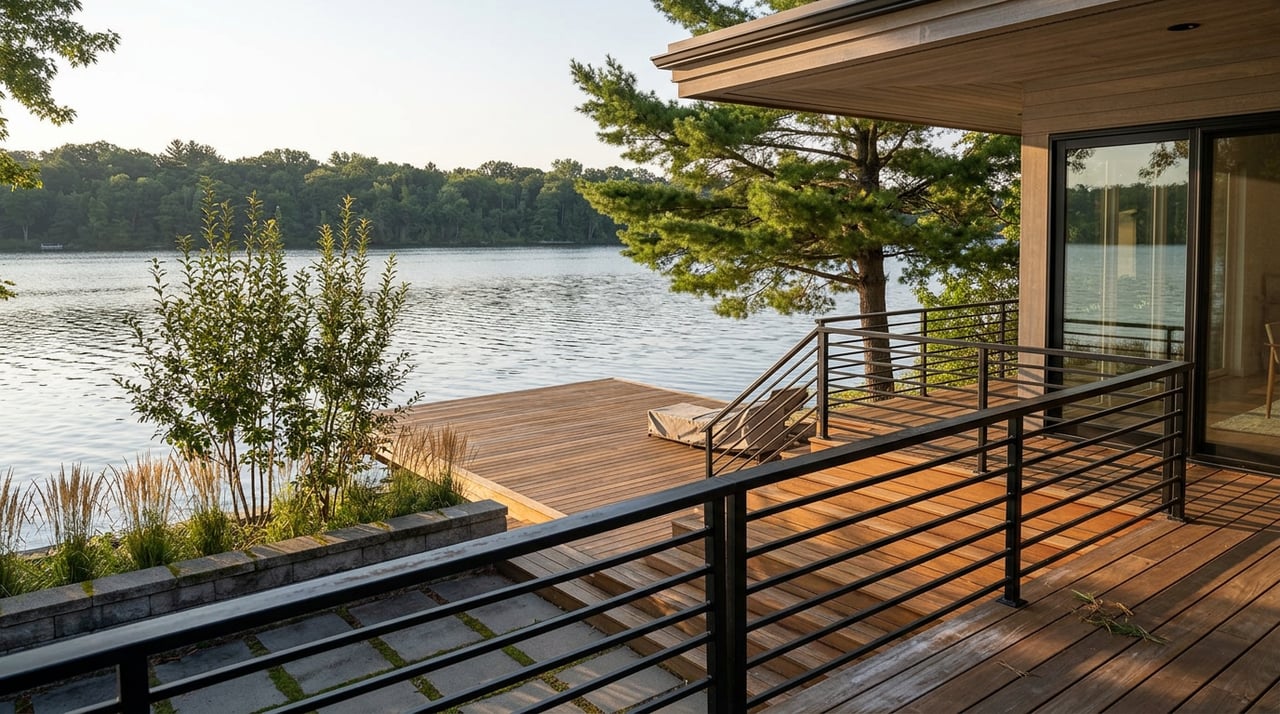
Waterfront ownership usually delivers the most direct connection to the bay. You may get stronger views, more privacy, and much easier access for boating, paddleboarding, swimming, or using a dock.
For many buyers, that lifestyle is the whole point. If your ideal Northern Michigan routine centers on being outside and on the water, private waterfront can feel hard to replace.
Waterfront perks to consider
- Direct access to the shoreline
- Easier use of docks and water equipment
- Greater privacy than public beach access
- Front-row views of the bay
- A stronger resort-style feel for seasonal or second-home use
What waterfront ownership can require
The tradeoff is that waterfront ownership often comes with more moving parts. In Michigan, Great Lakes water levels can change seasonally by 1 to 2 feet, which can affect shoreline conditions and long-term planning.
If you are considering a property on or near the Great Lakes, permits may be required for certain types of construction, especially in designated High-Risk Erosion Areas or Critical Dune Areas. That means a waterfront purchase is not just about lifestyle. It is also about understanding shoreline management.
Shore protection can also become part of the ownership conversation. Work involving shore protection, dredging, or related changes may require permits, and natural shoreline approaches are often encouraged over hard shoreline structures.
Waterfront due diligence checklist
Before you make an offer on a waterfront home, it is smart to confirm:
- Current shoreline condition
- Any known erosion history
- Whether past or future shoreline work may require permits
- Dock or water-access limitations
- Whether the property uses city utilities or private systems
Utility setup matters more than many buyers expect. If a property is not connected to city water and sewer, you should verify the status of any private well and on-site septic system early in the process.
In Grand Traverse County, the health department handles permits for private wells and septic systems. Reviews may also be needed when a property's use changes or when records are incomplete, which can affect both your budget and your timeline.
Why in-town living appeals to buyers
In-town living often makes daily life feel easier. If you expect regular errands, dinners downtown, bike rides, or quick beach access, being closer to the center of Traverse City can reduce a lot of friction.
The city notes that bike-friendly streets and multi-use paths connect neighborhoods, downtown, parks, and other everyday destinations. Downtown parking also includes metered spaces and public parking structures, which can make outings more manageable.
For many full-time residents, this convenience is a major advantage. You may spend less time coordinating access, weather logistics, and property maintenance, and more time simply enjoying where you live.
In-town benefits to consider
- Easier access to downtown destinations
- Connection to bike routes and multi-use paths
- Public beach access without owning shoreline
- More centralized city services
- A practical fit for year-round living
In-town does not mean giving up the water
This is one of Traverse City’s biggest strengths. You can still enjoy a water-focused lifestyle without owning private shoreline.
Clinch Park, Bryant Park, West End Beach, Mini Park, and Open Space all provide public waterfront access. Clinch Park also includes the municipal marina, and Open Space is the city’s largest beachfront park.
That means many buyers can stay connected to the bay while avoiding some of the maintenance and permitting concerns that can come with private waterfront ownership. If your goal is regular access rather than exclusive access, in-town living can be a very compelling option.
Year-round services can shift the decision
Seasonality matters in Traverse City. Average January temperatures are around 29.3°F for highs and 17.0°F for lows, while July averages reach about 81.3°F and 59.4°F.
That climate helps explain why beach days, patios, splash pads, and dock use tend to be heavily weighted toward summer. The warm-season lifestyle is a major draw, but it is only part of the picture if you plan to live here full time.
In winter, everyday logistics become more important. Snow removal, sidewalk clearing, parking, access roads, and utility reliability can all shape how easy a home feels to live in.
Within city limits, Traverse City handles snow removal on city streets and non-motorized trails. The city also oversees municipal wastewater, stormwater, and water treatment and distribution systems.
For many buyers, that makes in-town ownership feel more predictable across all four seasons. A shoreline property outside city service boundaries may still be a great fit, but it often requires more planning.
Think about your lifestyle rhythm
The best choice usually comes down to how you want to live, not just what looks best in a photo. Waterfront living tends to fit buyers whose routines center on direct water access, privacy, and outdoor recreation.
In-town living tends to fit buyers who value walkability, simpler logistics, easier access to parks and downtown, and a smoother year-round routine. Neither option is better across the board. The better fit is the one that matches your habits in July and in January.
Waterfront may fit you if you want:
- Direct, private access to the water
- A stronger sense of retreat and separation
- Space centered on boating, paddling, or swimming
- A seasonal or second-home lifestyle feel
- More privacy tied to the setting itself
In-town may fit you if you want:
- Faster access to daily amenities
- Simpler winter living
- Public beach and marina access without shoreline upkeep
- Bike and trail connections
- A more balanced full-time lifestyle across seasons
Three details to verify before you buy
If you are still deciding between waterfront and in-town living, there are three practical details worth confirming early. These answers can shape your costs, your maintenance expectations, and even your closing timeline.
1. Is the property inside city limits?
This can affect access to city services, snow removal responsibilities, and overall day-to-day convenience. It can also influence how the home functions for full-time living.
2. Does the home use city utilities or private well and septic?
This is especially important for waterfront and edge-of-town properties. If private systems are involved, it is wise to verify permits, condition, and available records as early as possible.
3. Could shoreline or dock changes trigger permits?
If the property includes shoreline or future waterfront improvements are part of your plan, you should understand permit needs before moving forward. This is one of the most important technical details in a waterfront purchase.
A smart way to choose in Traverse City
If your dream is centered on stepping outside to the bay, waterfront may absolutely be worth the extra diligence. If your priority is convenience, city services, and easy access to both downtown and public waterfront spaces, in-town living may offer the better everyday experience.
In Traverse City, you do not always have to choose between water and convenience as sharply as you would in other markets. That is part of what makes this area so appealing. You can find homes that support a resort-style rhythm, a full-time in-town routine, or something thoughtfully in between.
The key is knowing what your version of Northern Michigan living really looks like before you start your search. If you want expert guidance on comparing waterfront homes, downtown residences, penthouses, brownstones, or in-town neighborhoods in Traverse City, schedule a private consultation with Lydia Wiley.
FAQs
What is the main difference between Traverse City waterfront and in-town living?
- Waterfront living usually offers direct water access, more privacy, and stronger bay views, while in-town living often offers easier access to downtown, parks, trails, parking, and city services.
Can you enjoy Traverse City waterfront access without buying a waterfront home?
- Yes. Traverse City has public waterfront access through Clinch Park, Bryant Park, West End Beach, Mini Park, Open Space, and the municipal marina.
What should you check before buying a Traverse City waterfront home?
- You should review shoreline condition, erosion history, possible permit requirements for shoreline work, and whether the property uses city utilities or private well and septic.
Why do city utilities matter when comparing Traverse City homes?
- City utilities can make year-round ownership more predictable, while private well and septic systems may require added review, records, and budgeting.
Is in-town living in Traverse City still a good fit for a water-focused lifestyle?
- Yes. Many in-town areas offer quick access to beaches, waterfront parks, trails, and marina amenities, which lets you stay connected to the bay without private shoreline ownership.
How does winter affect the waterfront versus in-town decision in Traverse City?
- Winter can shift your priorities toward snow removal, parking, access roads, and utility reliability, which is why many full-time buyers find in-town living easier to manage across seasons.