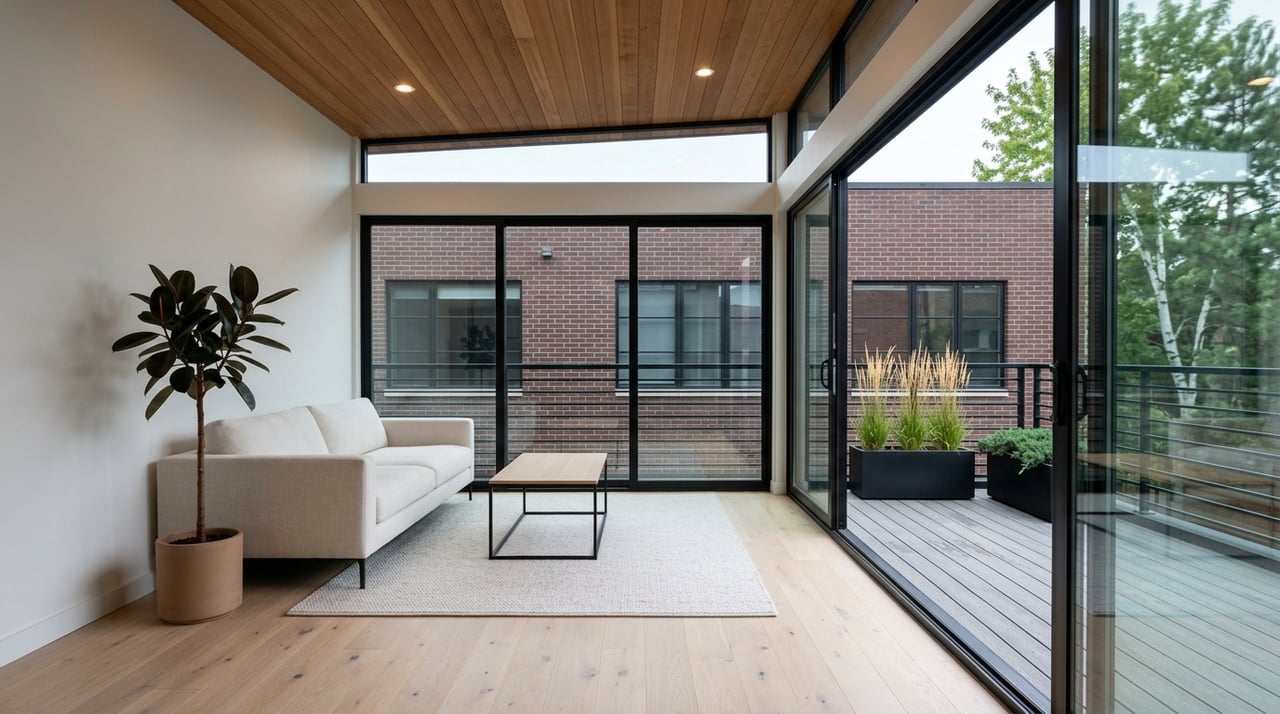
Thinking about trading lawn care and long drives for waterfront walks, coffee runs, and a front-row seat to downtown energy? Loft living in Downtown Traverse City offers a very specific lifestyle, and it is not just about square footage. If you are considering a condo or loft in the city core, understanding the daily rhythm, practical tradeoffs, and lifestyle perks can help you choose the right fit. Let’s dive in.
Why downtown loft living stands out
Downtown Traverse City is a compact, mixed-use bayfront core built around activity, access, and convenience. According to the Downtown Development Authority, the district covers the core of downtown and Old Town and includes much of the area’s restaurants, retail, waterfront stretches, parks, and public spaces.
That concentration shapes how you live day to day. Instead of a purely residential setting, you get a walk-first environment where errands, dining, events, and the waterfront are all close at hand. Downtown also has more than 200 locally owned businesses and more than 50 restaurants, which adds real depth to everyday life.
What daily life feels like
A downtown loft can support a car-light routine, especially if you value being able to step outside and get where you need to go on foot or by bike. Downtown Traverse City’s own visitor information emphasizes that attractions are easy to reach by walking, biking, riding, or driving, and that water access is only steps away.
For many buyers, that is the biggest shift. You may be giving up yard space and a quieter residential pattern, but you gain immediate access to restaurants, public spaces, trails, and seasonal events. If you want your home to feel connected to the city’s social and waterfront life, downtown can deliver that in a way few other areas can.
Getting around downtown
Parking is available, but managed
Parking downtown is convenient, but it is not casual. The city reports more than 3,000 vehicular parking spaces downtown across lots, structures, and metered street spaces, along with more than 125 bicycle parking locations.
That said, the details matter. Street meters are enforced Monday through Saturday from 8 AM to 6 PM, and daily convenience can improve a lot if your building includes assigned parking or if you are close to a parking structure. The Hardy and Old Town structures are open 24 hours a day, seven days a week, and the Hardy structure includes EV charging.
Biking and transit add flexibility
If you want options beyond driving, downtown has solid support for a car-light routine. The city notes that Traverse City is easy to navigate by bike, and nearby routes include the TART Trail and the Boardman Lake Loop, which connect downtown to parks and surrounding areas.
For some residents and downtown workers, transit also helps. The Destination Downtown program uses BATA City and Village routes within the DDA district, making it easier for some people to manage work and daily errands without relying on a car for every trip.
Streets are evolving for walkability
Downtown is also being shaped with pedestrians in mind. The DDA has piloted two-way street conversions on State, Pine, and Boardman to slow speeds, improve pedestrian safety, and encourage more engagement with downtown businesses.
That may sound like a planning detail, but it affects how the area feels. For loft owners, it supports a more connected and people-oriented street experience, especially on blocks where you are likely to spend time walking between home, dining, and the waterfront.
Waterfront access is part of the appeal
One of the clearest lifestyle advantages of living downtown is how close you are to the bay and public outdoor spaces. Clinch Park stretches along West Grand Traverse Bay and includes a large beach, concessions, a splash pad, and the city marina.
You also have access to other nearby waterfront options like West End Beach and East Bay Park for swimming, picnics, and boat launch access. If your idea of daily luxury includes morning shoreline walks or easy water access after work, downtown makes that unusually convenient.
Small public spaces make downtown more usable
The big waterfront amenities get most of the attention, but smaller connective spaces matter too. J. Smith Walkway links Front Street to a pedestrian bridge across the Boardman River and toward the farmers market area.
Wellington Street Plaza adds more everyday usability with Boardman River fishing and short-term boat tie-up access close to downtown. These spaces help downtown feel functional and connected, not just busy.
Trails add year-round value
For buyers who want movement built into daily life, the nearby trail network is a major plus. The Boardman Lake Loop is a completed trail of more than four miles around Boardman Lake, just south of downtown.
TART in Town also provides several point-to-point bike routes in downtown Traverse City. Whether you enjoy walking, running, or cycling, these connections make it easier to blend outdoor activity into your normal routine rather than planning around it.
Dining and retail support everyday living
Downtown Traverse City is not only a place for weekend outings. It has enough food and retail activity to support day-to-day living, which is important if you are considering a full-time residence, second home, or low-maintenance in-town base.
Downtown marketing highlights everything from food trucks to casual dining and sit-down gourmet experiences. Combined with the city’s count of more than 50 restaurants downtown, that gives you a broad mix of options within a relatively compact area.
The farmers market adds local rhythm
The Sara Hardy Downtown Farmers Market is one of the strongest examples of downtown’s everyday appeal. Operated by the DDA, it runs seasonally on Wednesdays and Saturdays.
The DDA describes it as one of the three largest markets in Michigan and the state’s largest growers-only market. For loft owners, that means fresh seasonal shopping can become part of your weekly routine without a long drive.
Seasonal energy is a real factor
If you are considering loft living downtown, it helps to understand that seasonality is not a side note. It is part of the experience. The annual event calendar includes Restaurant Week, Art Walks, Friday Night Live, the Downtown Street Sale, and the Downtown Fine Art Fair, along with holiday traditions like the Light Parade and Santa’s House.
That event schedule creates a lively, social atmosphere that many buyers love. It also means some blocks feel especially active during summer and festival periods. The city’s parks planning documents note that nearby waterfront parks can see heavy summer use from tourists and non-residents, which reinforces that downtown gets noticeably busier in warmer months.
Social spaces shape the atmosphere
The city’s social district also adds to downtown’s pedestrian energy. Adults can consume approved beverages within the designated public common area, and the city describes the district as a neighborhood gathering place.
For buyers, this helps explain why some areas feel more animated than others. Units closest to restaurants, event corridors, market activity, and waterfront paths may offer the most immersive downtown lifestyle, but they may also come with more activity outside your windows.
Key tradeoffs for loft and condo buyers
Downtown loft living can be a great fit, but it works best when your priorities align with the setting. In practical terms, the biggest tradeoffs are usually parking, noise tolerance, and unit placement.
If you are sensitive to sound, pay close attention to whether a unit faces the street, what floor it is on, and the quality of the windows. Downtown is designed around active dining, pedestrian use, and events rather than the quiet rhythm of a suburban street.
Features worth confirming before you buy
When you evaluate a downtown loft or condo, it helps to look beyond finishes and views. A few practical features can make a major difference in how easy the property feels to live in.
Consider confirming:
- Assigned parking or easy garage access
- Bike storage
- EV charging access nearby or in the building
- Elevator access
- HOA rules for pets
- HOA rules for short-term use
- HOA rules for exterior changes
These details can shape convenience, flexibility, and long-term satisfaction just as much as design style.
Who downtown loft living fits best
Downtown loft living is usually the strongest match for buyers who want to exchange yard space and longer commutes for walkability, waterfront access, and an active calendar. That can include full-time residents, second-home buyers, and those looking for a lower-maintenance property close to the city’s core amenities.
It can also appeal to buyers who want a design-forward home with a more lock-and-leave lifestyle. If you are drawn to downtown penthouses, boutique condos, or newer brownstone-style opportunities, the right purchase often comes down to matching the building and block to how you actually plan to live.
How to shop smarter downtown
A smart downtown search starts with lifestyle clarity. Before you focus on finishes or price alone, think about what matters most in your day-to-day experience.
Ask yourself:
- How often will you walk versus drive?
- Do you want to be near the busiest restaurant and event blocks?
- How important is a dedicated parking space?
- Would bike storage or elevator access improve daily convenience?
- Are you comfortable with seasonal crowds and a livelier summer atmosphere?
- Do you want immediate waterfront access or a slightly quieter location nearby?
Those answers can help narrow the right building, exposure, and block much faster.
For buyers exploring Downtown Traverse City lofts, penthouses, or boutique condo opportunities, local guidance matters. A property that looks ideal online may feel very different depending on parking setup, street activity, building rules, and seasonal patterns. If you want tailored advice on downtown living, development opportunities, or available luxury inventory, schedule a private consultation with Lydia Wiley.
FAQs
What is loft living like in Downtown Traverse City?
- Loft living in Downtown Traverse City is typically walk-first, close to restaurants, retail, public spaces, trails, and waterfront access, with a more active and seasonal atmosphere than a traditional residential neighborhood.
What should buyers check before buying a downtown condo in Traverse City?
- Buyers should confirm practical details such as assigned parking, garage access, bike storage, EV charging access, elevator access, and HOA rules for pets, short-term use, and exterior changes.
Is parking difficult in Downtown Traverse City?
- Downtown parking is managed rather than unlimited, with more than 3,000 spaces in lots, structures, and metered street spaces, so a dedicated parking space or easy access to a nearby structure can make daily life much easier.
Are there trails and parks near downtown Traverse City lofts?
- Yes, downtown residents have easy access to Clinch Park, the waterfront, J. Smith Walkway, Wellington Street Plaza, the Boardman Lake Loop, and downtown TART routes.
Does Downtown Traverse City feel busy year-round?
- Downtown is active throughout the year, but it becomes especially lively during summer and event periods when festivals, market days, waterfront use, and community events draw more people into the area.