Is there a single “perfect” month to list your home in Traverse City? Not always, but there is a reliable sweet spot. If you want strong buyer traffic, great photos, and a smooth timeline, the calendar can work in your favor. Whether you are selling a primary home, a downtown condo, or a waterfront retreat, a smart plan will help you win in any season.
Below, you’ll learn when Traverse City buyers are most active, how tourism shapes demand, and the best steps to prepare your home. You’ll also see timing tips for second-home and investment properties. Let’s dive in.
The short answer
For most primary residences in Traverse City and Grand Traverse County, the best window to list is late April through early June. You benefit from rising spring demand, improved curb appeal, and buyers aiming to settle before the new school year. That said, current market conditions and mortgage rates can shift buyer behavior, so it pays to check up-to-date local data before you choose a date.
If you’re selling a primary residence
Spring delivers the broadest buyer pool and the cleanest path to a mid-summer move. Landscaping looks better, showings are easier, and days on market tend to shorten compared with winter patterns. List a touch earlier in spring if you want to catch pent-up demand before competing listings hit.
If you’re selling a vacation or waterfront home
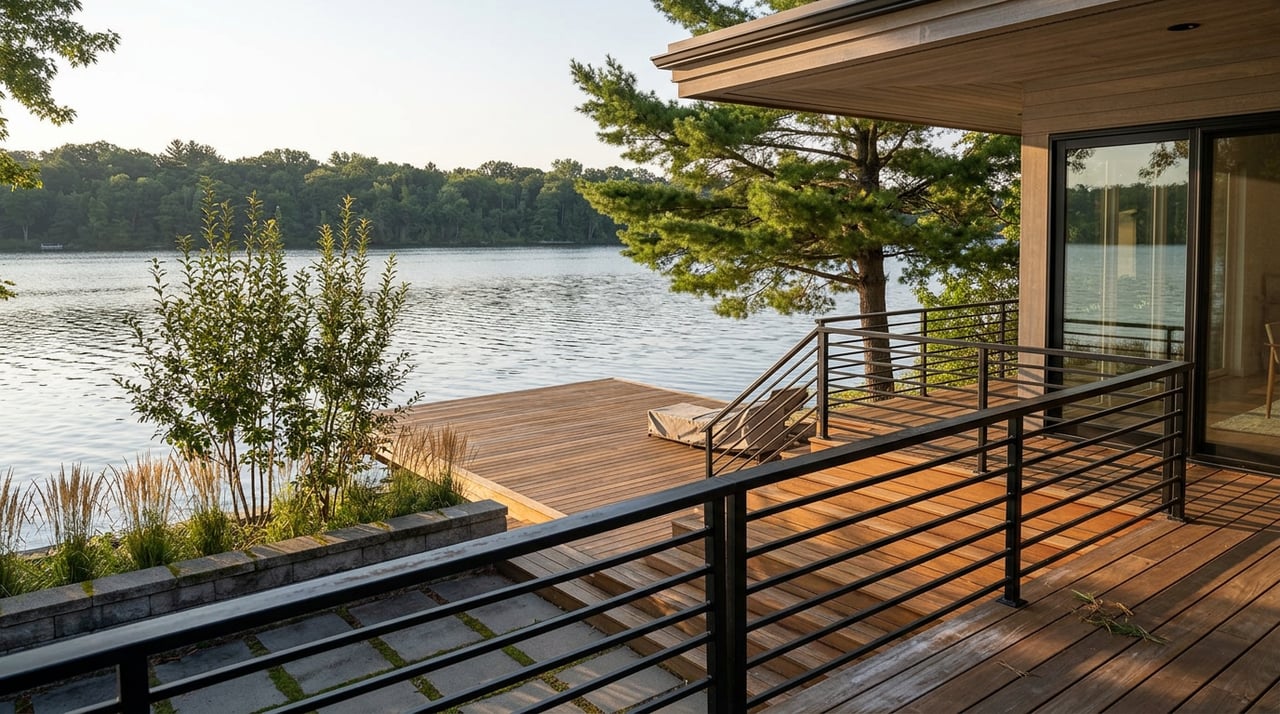
Late spring into early summer is ideal. Out-of-area buyers arrive, online searches spike, and summer weather lets you showcase the waterfront experience. A second strong option is late summer into early fall, when serious buyers return after experiencing the high season and competition begins to thin.
Why timing matters in Traverse City
Tourism and festivals increase visibility
Traverse City’s summer tourism brings out-of-area buyers, second-home shoppers, and investors. The National Cherry Festival in July boosts area visibility and can drive discovery. During festival weeks you might see more interest, yet you may need to plan showings carefully if streets are busy or short-term rentals are occupied.
Weather and curb appeal shape first impressions
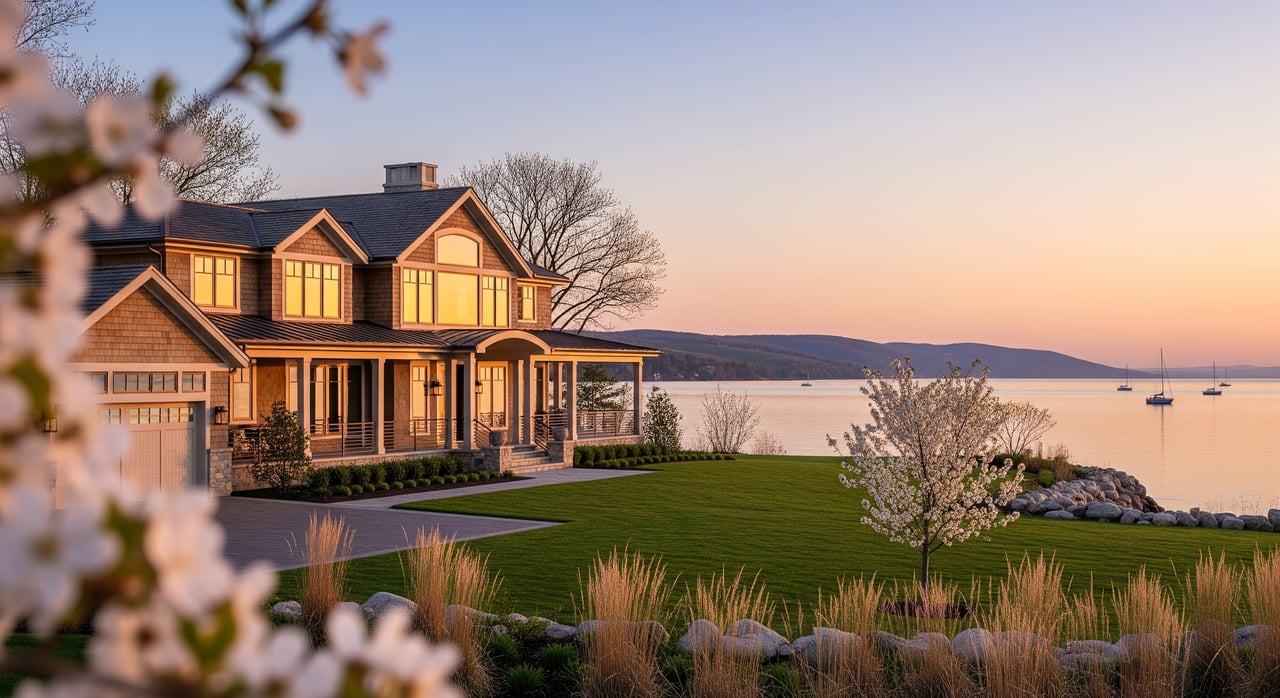
Spring blooms, green lawns, and clear skies elevate photos and in-person showings. In winter, snow and dormant landscaping can mute curb appeal. If you must list during colder months, lean into interior staging, lighting, and virtual tours to create warmth and clarity for buyers.
Mortgage rates and inventory can override seasonality
When mortgage rates rise, buyer pools can shrink. When new listings surge, competition grows. Always pair seasonal best practices with current local data from the MLS. If rates or inventory shift quickly, your agent may suggest a slight delay or a pricing adjustment that aligns with the moment.
Traverse City season-by-season guide
Spring (March to May)
- Advantages: Strongest overall buyer activity, improved curb appeal, and family-friendly timing for summer closings. Early spring can unlock pent-up demand, especially if you beat the rush.
- Watchouts: March can still look wintry. Plan exterior touch-ups and photos for April or May when possible. With more competing listings, make price and presentation competitive from day one.
Late spring to early summer (late May to mid July)
- Advantages: Peak visibility for second-home buyers and investors who are in town. Showings are easier in good weather, and online search traffic from out-of-area buyers is often high.
- Watchouts: Festival weeks and vacation schedules can complicate showings. If your home is also a rental, block showing windows early and coordinate turnover times.
Late summer to early fall (late July to October)
- Advantages: Serious shoppers return after enjoying the area in summer, and some competing listings rotate off the market. Fall colors make for striking visuals and lifestyle photography.
- Watchouts: Families who wanted to move before school starts may be off the hunt. The market generally cools as you approach late fall.
Winter (November to February)
- Advantages: Less competition. Winter buyers are often motivated by job changes or life events, which can lead to focused negotiations.
- Watchouts: Weather can limit travel and showing flexibility. Plan for bright interior photos, strong virtual assets, and clear walkways to make every showing count.
Match your strategy to the buyer
Local primary-residence buyers
These buyers often target spring and early summer to move before school starts. Highlight practical benefits like commute times, storage solutions, and flexible spaces. Offer weekend showings and consider early-week open houses for maximum exposure.
Out-of-area buyers and retirees
You will see many of these shoppers in late spring and summer. Make it easy for them to experience the property: drone footage, floor plans, and clear parking and access details matter. If the property allows short-term rentals, note the basics of permissions and operating considerations.
Investors and STR-focused buyers
Spring into early summer is a key window, and there is often another bump in late fall. Provide clean financials when appropriate, outline operating costs, and be transparent about local short-term rental rules. Serious investors value clarity on permits and any transfer requirements.
Relocation and transfer buyers
Transfers tend to cluster in spring and late summer. Speed and certainty matter. Keep response times tight, offer flexible showings, and present a move-in-ready feel.
Your 8 to 12 week pre-list checklist
Use this timeline to control what you can and make the most of your chosen season.
- Get a professional pricing analysis from a local agent who tracks MLS trends.
- Order a pre-listing home inspection and address issues that could stall a closing.
- Declutter, depersonalize, and neutralize paint where helpful. Focus on floors, lighting, and hardware.
- Plan exterior work with the season in mind. Aim for fresh mulch, pruned shrubs, and clean hardscapes in spring or early summer.
- Review your tax and calendar constraints with your advisor, including potential capital gains timing and school-year transitions.
- Create a marketing plan that aligns with your buyer profile, from lifestyle photography to video and print materials.
Pricing, photos, and showing strategy
Price with the market, not against it
In the spring surge, a sharp price can generate strong interest in the first week. In slower months, price to stand out and avoid long days on market. Adjust quickly if local inventory or rates shift.
Elevate visuals with seasonally smart media
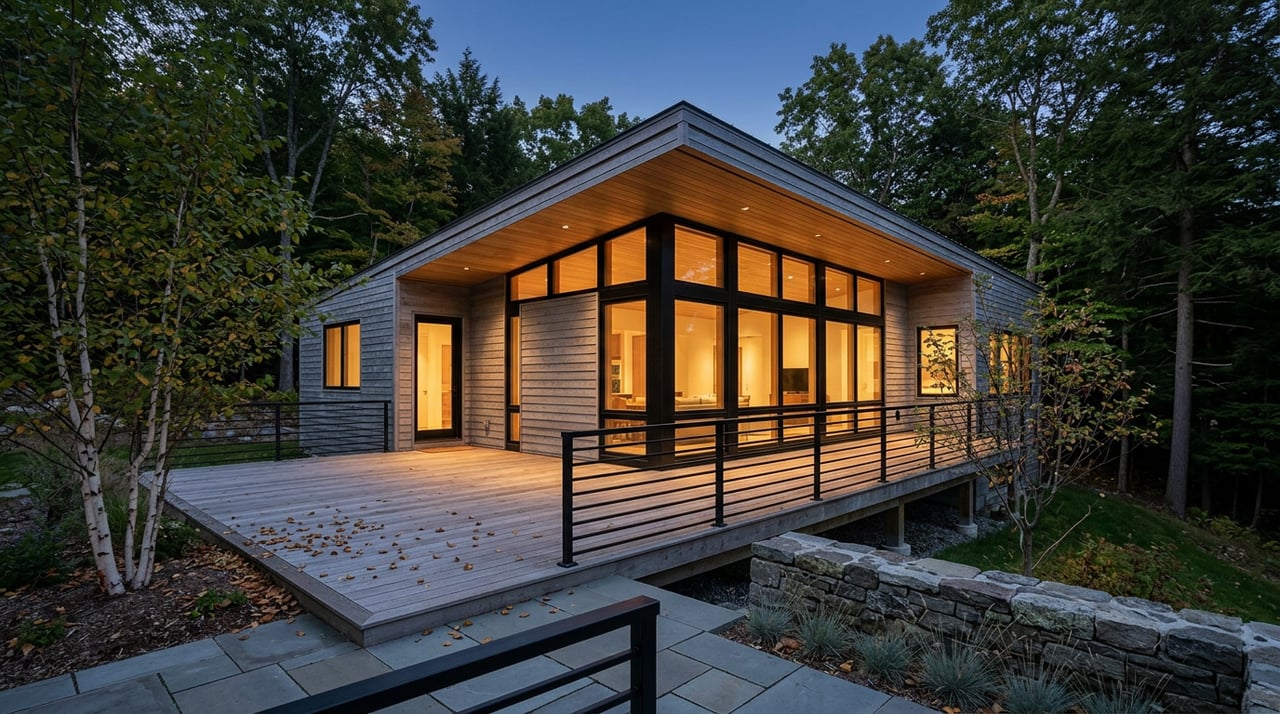
Plan photos for green lawns, blooms, or vibrant fall color. For waterfront properties, include aerials and summer lifestyle shots that show docks, beaches, and boating access. If you list during winter, use warm interior staging and twilight photography to create depth.
Open houses and access
Spring and summer are prime times for weekend open houses. For out-of-area buyers, add virtual tours and video walkthroughs. In fall and winter, prioritize private showings and flexible windows so serious buyers can visit despite weather or holiday schedules.
When to wait
Consider a short delay if exterior work would look noticeably better in April or May than in late winter. If a major repair will be finished soon and would materially change buyer perception, pause until it is complete. If mortgage rates spike or competing inventory jumps suddenly, your agent may recommend a brief reset to preserve leverage.
Next steps
The right listing week is powerful, but the right plan is everything. A tailored strategy that respects seasonality, media, pricing, and buyer profiles can make any month work to your advantage. If you are weighing spring versus summer, or deciding how to stage a waterfront home, personalized guidance can save you time and help you net a better outcome.
Ready to map your listing timeline and launch plan? Schedule a private consultation with Lydia Wiley for data-driven timing, curated marketing, and a seamless selling experience in Traverse City and Grand Traverse County.
FAQs
When is the best time to list a home in Traverse City?
- For most primary residences, late April through early June typically offers the strongest buyer activity, better curb appeal, and the cleanest path to a summer close.
Is spring always better than other seasons for selling?
- Spring is usually the most active, but market conditions, mortgage rates, and your property type can shift the equation. A strong plan can deliver results in any season.
When should I list a waterfront or vacation property?
- Late spring into early summer showcases the lifestyle best, with another strong window in late summer and early fall for motivated buyers after peak season.
How do Traverse City festivals affect showings?
- Festivals can increase visibility, yet schedules and traffic can complicate access. Coordinate showing windows and parking plans in advance.
Can I succeed if I list in winter?
- Yes. With proper pricing, warm interior staging, robust virtual tours, and flexible showings, winter listings can stand out against reduced competition.
What should I do 8 to 12 weeks before listing?
- Secure a pricing analysis, complete a pre-list inspection, finish repairs, prepare curb appeal, plan professional media, and align your launch date with buyer traffic.
How do mortgage rates change the best listing time?
- Higher rates can reduce the buyer pool, which may favor sharper pricing or a short delay. Review current local MLS data and rate trends before you go live.