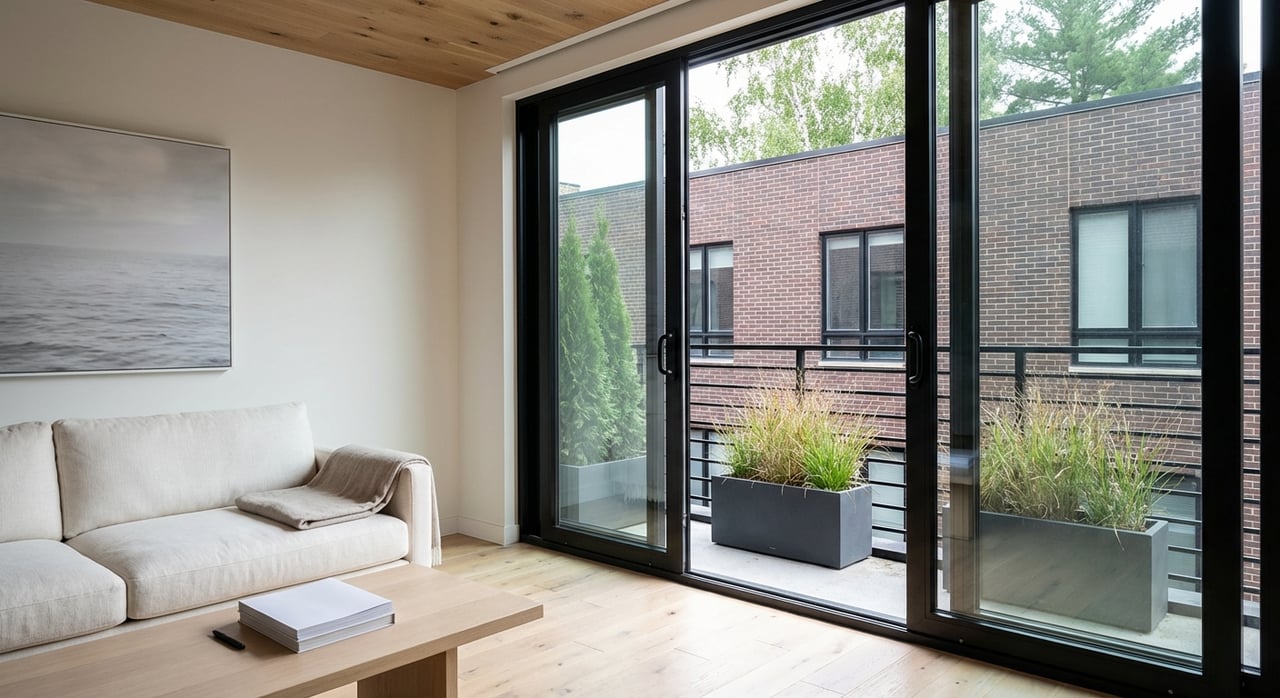
Summer on Front Street changes everything. The bayfront concerts, farmers markets, and the National Cherry Festival fill Downtown Traverse City with energy and visitors. If you own a condo near Clinch Park or the Open Space, that seasonal surge can shape your showings, buyer mix, and pricing power. In this guide, you’ll learn how tourism cycles influence downtown condo sales and how to time, market, and prepare your listing for the strongest results. Let’s dive in.
Why tourism moves downtown condo demand
Cherry Festival concentrates buyers
The National Cherry Festival draws very large crowds to downtown over eight days in late June and early July. Organizers and local analysis report attendance in the hundreds of thousands, along with tens of millions in direct spending that week. You can see dates and details on the official National Cherry Festival calendar, and the Grand Valley State University assessment confirms the event generates significant visitor-days and spending that spill into downtown lodging and dining (economic assessment of the 2022 festival). For sellers, that concentrated demand often means more walk-ins, more same-day showings, and motivated second-home shoppers who are already downtown.
Weekends, shoulder seasons, and a new mid-summer rhythm
Peak summer weekends, especially June through August, carry the heaviest lodging demand, while spring and early fall create shoulder-season opportunities. Downtown events like farmers markets and bayside concerts run May through October, with the sunniest weeks drawing the most traffic, as noted by local lodging operators who track seasonal patterns (seasonality overview). One mid-summer change to note: the long-running Traverse City Film Festival ended its traditional summer format in 2023, which reduced a historic mid-week draw for downtown venues (programming change coverage).
Hotels and STRs set the pace
Traverse City’s lodging base includes thousands of hotel rooms, but short-term rentals add substantial, highly seasonal capacity. Regional analysis based on AirDNA shows STR listings rising into the 8,000 to 9,000 range at summer peak, with very high July and August occupancy and average daily rates that set the tone for investor interest in downtown condos (regional STR data and seasonality). When STR performance rises, investor buyers often look harder at walkable, waterfront-adjacent units downtown.
What tourism means for showings and offers
Expect more foot traffic May through August
You will see a noticeable lift in inquiry volume and showing requests as the weather warms, with a sustained summer peak. Out-of-area visitors touring downtown often reach out on the spot when a lobby sign, balcony view, or open-house board catches their eye. Be ready for more day-of and weekend showings, plus late-afternoon slots that fit vacation schedules.
Plan around road closures and parking
Downtown events occasionally bring road closures and heavy foot traffic on Front Street and near the Open Space. That can complicate open houses and buyer access. Review the city’s event and street-use policies ahead of time, and coordinate your showing windows with festival schedules to keep the experience smooth (city event and street-use policies).
Who is buying, by season
- Spring: A mix of local movers, early-arrival second-home buyers, and relocations planning summer closings.
- Peak summer: A larger share of out-of-area second-home buyers and investors who first visit as tourists. Studies show 70 to 75 percent of Cherry Festival attendees come from outside Grand Traverse County, which helps explain the seasonal jump in nonlocal buyers downtown (festival attendee profile).
- Fall and winter: Fewer showings, often more price-sensitive or local buyers, and sometimes better room for negotiation.
Pricing power and STR math
Investor underwriting is straightforward: buyers compare the condo’s price to projected net income using local ADR and occupancy benchmarks, then target a cap rate. Because July and August STR performance is so strong in our region, units that can legally operate as STRs often command a premium (regional STR performance). Also, as some in-town homes shift into short-term or seasonal use, year-round inventory tightens, which can support pricing for walkable downtown condos (local housing profile context).
Note: Building-by-building price differences through the year require MLS-level data. Your agent can pull monthly comps and days-on-market for your address to dial in the strategy.
When to list your downtown condo
Maximize exposure in early spring
If your goal is to reach second-home and investor buyers, aim to hit the market from late March through May. That puts your listing in front of rising spring traffic and positions you to catch the early waves of summer visitors. You will want to plan for higher showing volume and quick decision windows as tourism peaks.
Consider a shoulder-season play
If you prefer a quieter market with potentially more room to negotiate, consider a September or October listing. You will see fewer competing listings, and interested local buyers often re-engage after the summer rush.
Listing during Cherry Festival
This can work if executed well. The benefit is maximum in-person exposure to visitors; the tradeoff is tougher logistics. Coordinate tightly around the Cherry Festival schedule, set clear parking instructions, and host showings at less congested times.
Marketing, staging, and showing tips for downtown condos
Stage for lifestyle and flexibility
Highlight what buyers value most downtown: light, views, and walkability to Clinch Park and the Open Space. Keep decor neutral so investors can picture durable, rental-ready finishes. Include a summer exterior or balcony photo even if you list in the off-season, so buyers see the neighborhood at its best.
If your unit is STR-active
Block showing windows in coordination with your property manager and keep the guest experience intact. Prepare a simple performance packet: trailing 12 to 24 months of bookings and gross revenue, monthly occupancy, ADR, expense summary, and proof of city licensure. Buyers will ask for compliance documentation, so have it ready from the city’s program page (licensing and requirements). Use regional STR data as a cross-check in conversations about seasonality and rates (regional STR benchmarks).
If your unit is owner-occupied or leased long-term
Build a showing plan around downtown events. Early mornings or weekday late afternoons can reduce friction for parking and access. Note any major event dates in your listing remarks and reference the city’s event policies so buyers know what to expect (city event guidance).
Regulatory levers every seller should know
Licensing is a gating item
Traverse City requires licensing for vacation home rentals, along with safety inspections and renewal cycles. Legal compliance is essential if you plan to market rental income or transfer bookings at closing. Review the city’s rules and confirm the status of your unit before you list (short-term rental licensing).
A 5 percent lodging assessment supports demand
Traverse City Tourism funds destination marketing primarily through a 5 percent lodging assessment collected from participating providers. That support helps sustain the visitor flow that underpins downtown STR economics year after year (about the assessment).
Who pays the assessment can be complex
Michigan statutes and local case law establish when certain managers or owners must participate in assessment programs. A local case outlines how obligations can apply to operators with larger portfolios (case summary). If your condo operates as an STR, document any assessments collected or remitted.
Watch for policy changes
Local debate continues over STR density, housing availability, and how lodging-related revenues might be used. Proposed changes can alter underwriting assumptions for investors over multi-year horizons, so keep an eye on policy updates (local reporting on hotel tax reform proposals).
Quick seller checklist
- Confirm legal status and gather documents: city license, inspection reports, HOA rules, and any rental restrictions (city STR program).
- If marketing to investors, prepare 12 to 24 months of booking performance, monthly occupancy, ADR, and expense summaries. Use regional data as a reasonableness check (STR benchmarks).
- Decide timing by late winter: spring for maximum exposure, early fall for calmer negotiations. Ask your agent for building-specific MLS comps and days-on-market.
- Stage for a walkable lifestyle: fresh, neutral interiors; balcony seating; and a summer hero image to show the neighborhood at peak.
- Coordinate showings with any operator or tenant well ahead of major event weekends. Post clear parking and access instructions.
- Disclose taxes and fees: keep records of sales/use tax and any lodging assessments that were collected or remitted (about Traverse City Tourism funding).
Ready to position your condo for the season ahead? As a downtown-focused advisor with development sales expertise, I can help you time the market, prepare investor-ready materials, and market your home to both local and out-of-region buyers. Schedule a private consultation with Lydia Wiley.
FAQs
How does Cherry Festival week affect downtown Traverse City condo sales?
- Expect higher foot traffic, more same-day showing requests, and greater exposure to out-of-area buyers, since the festival draws large crowds and significant spending downtown (festival details; economic assessment).
What should I know about short-term rental rules for downtown Traverse City condos?
- The city licenses vacation home rentals and requires inspections and renewals; confirm whether your building and unit are eligible and in good standing before you market rental income (licensing overview).
When is the best time to list a downtown Traverse City condo?
- Spring maximizes exposure to rising tourist traffic and early second-home shoppers, while early fall can offer calmer negotiations and fewer competing listings; use building-level MLS data to fine-tune.
How do road closures during festivals impact condo showings downtown?
- They can limit parking and access on Front Street and near the Open Space; plan showings around event windows and share clear access instructions with buyers (city event policies).
Do summer STR rates really influence downtown condo pricing?
- Yes. High July and August occupancy and ADRs enhance projected income for eligible units, which can lift what investors are willing to pay (regional STR data).
Is the Traverse City Film Festival still a major factor in mid-summer demand?
- The festival’s traditional summer format ended in 2023, which reduced a historic mid-week draw; new programming is evolving, so watch how it shapes downtown demand going forward (programming update).