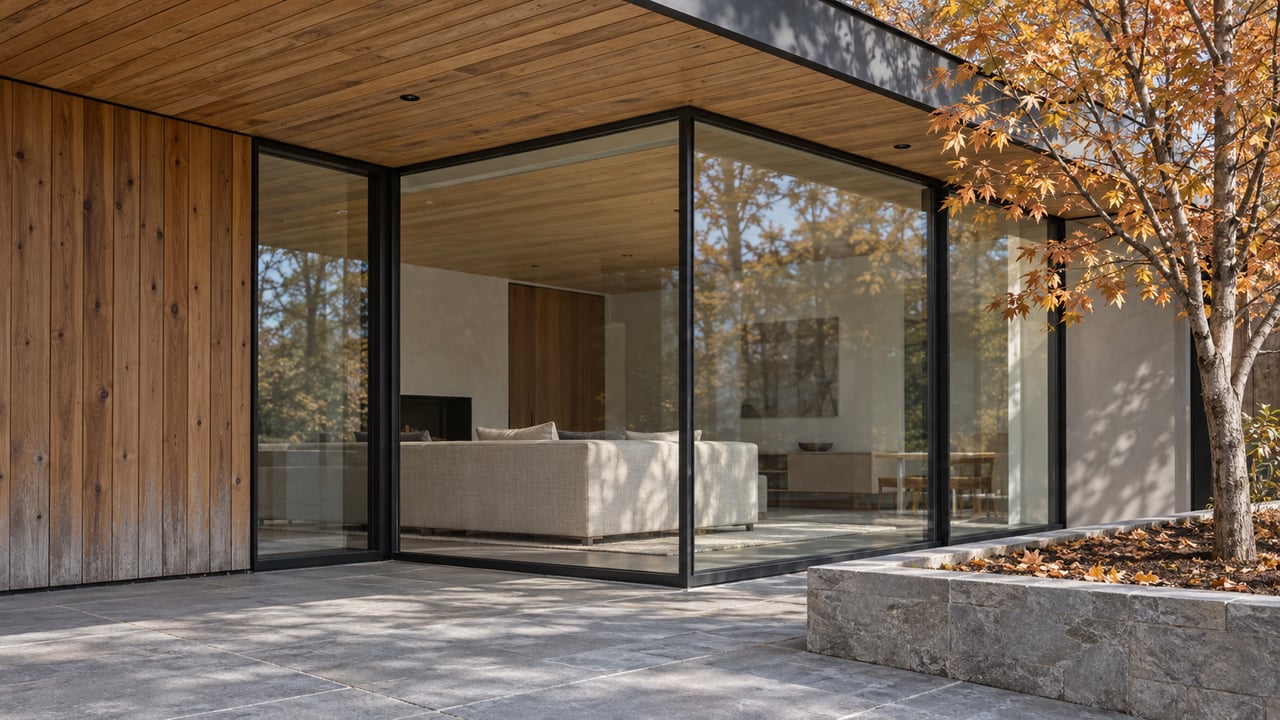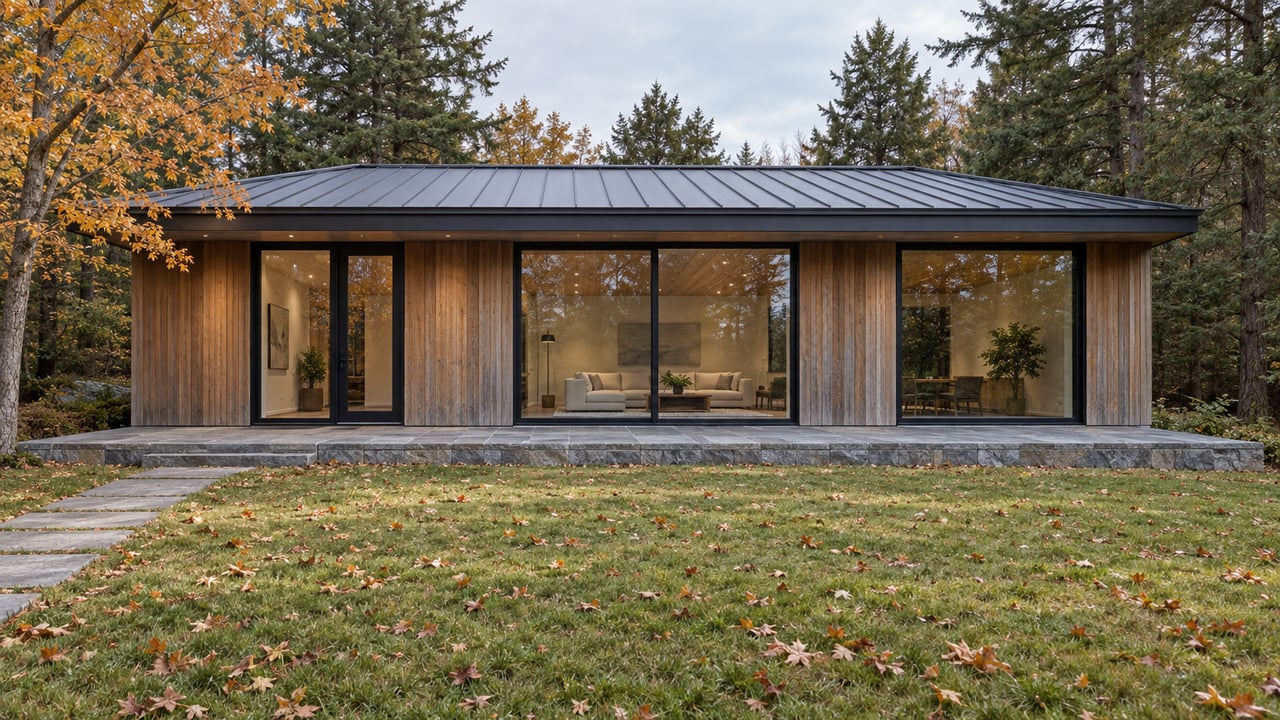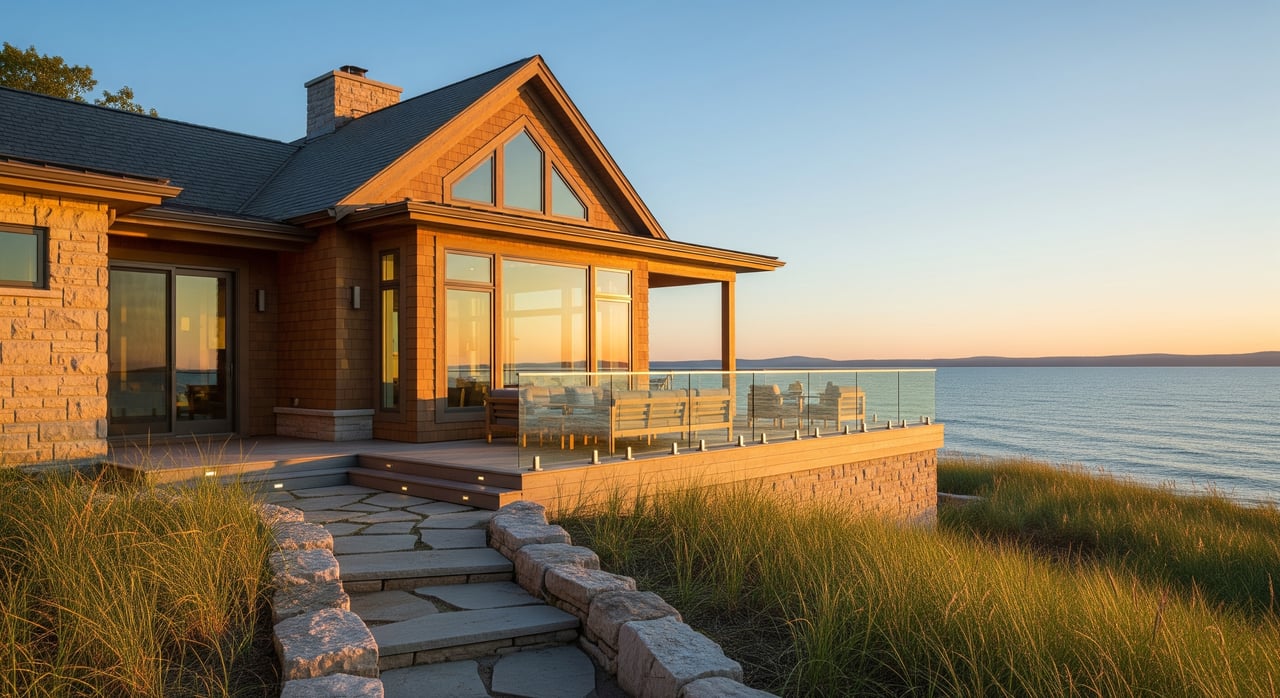
Dreaming about a place of your own near Glen Lake or along the Sleeping Bear shoreline, but not sure how a second-home mortgage works in Glen Arbor? You are not alone. Financing a vacation home is different from buying your primary residence, and local property quirks can add extra layers to the process. In this guide, you will learn what lenders look for, how much you may need to put down, how taxes and insurance work for second homes, and the local factors that can shape your approval and timeline. Let’s dive in.
What “second home” means to lenders
A second home is a property you occupy in addition to your primary residence and do not use primarily as an income-producing rental. Lenders treat second homes differently from both primary residences and investment properties, so underwriting, rates, and documentation are usually stricter.
In Glen Arbor and greater Leelanau County, many listings are lakefront, cottage-style, or rural with septic and well. That local mix can affect appraisals, inspections, and insurance. Expect your lender to look closely at property condition, access, and insurability before issuing a final approval.
Loan options for Glen Arbor buyers
Conventional financing
Conventional loans are the most common path for second homes. Agencies like Fannie Mae and Freddie Mac publish program standards that many lenders follow. You can explore general standards through Fannie Mae and Freddie Mac, and consumer-friendly mortgage basics through the CFPB.
FHA, VA, and USDA
Government-backed mortgages such as FHA, VA, and USDA are generally intended for primary residences. FHA guidance from HUD and VA and USDA rules support this primary-use focus. If you need a second-home loan, you will likely look at conventional or portfolio options.
Jumbo and portfolio loans
If you are shopping higher-priced lakefront homes or unique properties, jumbo or portfolio loans from banks and credit unions may fit. Expect larger down payments and customized underwriting. These products can be useful when a home’s features fall outside standard guidelines.
Investment property vs second home
If you plan to rent the home more than you occupy it, your lender may classify it as an investment property. That typically means higher rates, larger down payments, and stricter qualifying. Be transparent about your plans so you are placed in the right product from the start.
Down payment, LTV, and PMI
Conventional second-home loans often call for at least 10 to 20 percent down. Many lenders prefer 20 percent to avoid private mortgage insurance. If your loan-to-value is above 80 percent on a conventional mortgage, you may pay PMI until you reach enough equity. Jumbo or portfolio loans commonly require 20 to 30 percent down, especially for complex waterfront or older cottages.
A larger down payment can also help if the appraisal comes in low, which is not uncommon in seasonal markets with limited comparable sales. Having a cushion can keep your contract on track.
Rates, credit, DTI, and reserves
Second-home rates are usually a bit higher than primary-residence rates. The difference can range from a few basis points to a few tenths of a percent depending on the lender and loan size.
Most lenders prefer a strong credit profile for second homes. A mid-600s score may be a common floor, while 700-plus can help you secure better pricing. Your debt-to-income ratio often needs to be 43 percent or lower, and some lenders want to see even tighter numbers for second homes. You will likely need cash reserves equal to several months of principal, interest, taxes, and insurance. Six to twelve months is a common expectation.
Appraisals and Glen Arbor property factors
Appraisers must locate recent comparable sales. In Glen Arbor, high demand and unique, seasonal inventory can make comps scarce. Waterfront homes, vintage cottages, and rural parcels may require a more nuanced appraisal. Be prepared for extra scrutiny and allow time for your lender to review the report.
Property condition matters. Septic and well systems often need inspection, and lenders can require repairs or certifications before closing. If the home has seasonal access or winter maintenance challenges, your lender and insurer will ask how you plan to occupy and care for it in colder months. The proximity to Sleeping Bear Dunes National Lakeshore adds desirable context and potential land-use considerations you can explore via the National Park Service.
Flood risk is another key factor for waterfront and low-lying properties. Check FEMA flood maps to understand whether flood insurance might be required by your lender, and to assess risk even when it is not mandatory. You can review maps and guidance on the FEMA site.
Renting your second home and qualifying
If you aim to offset costs with rental income, talk with your lender early. Many lenders will not count projected short-term rental income for qualification unless you have an established income history and documentation. Some may accept market rent supported by a lease or rent schedule, but this is less common for new purchases.
You also need to verify whether short-term rentals are allowed by local zoning and neighborhood rules. Regulations can change, and permits may be required. Speak with the Glen Arbor Township zoning office for current requirements. If you proceed with short-term rentals, align your insurance with that use. Standard homeowner policies may exclude coverage for paid guest stays without specific endorsements.
Taxes and insurance you should plan for
Federal tax considerations
Mortgage interest on a second home can be deductible if you itemize, subject to IRS limits and the total mortgage debt cap. If you rent the home, your personal use versus rental days drives how expenses are treated. The rules are detailed in IRS Publication 527.
State and local tax deductions are also subject to the federal SALT cap. Your tax advisor can help you model the impact before you buy.
Michigan property taxes and PRE
Michigan’s Principal Residence Exemption applies only to your primary residence. A Glen Arbor second home is not eligible for the PRE, so plan for the full millage rate based on the property’s taxable value. You can review county-level contacts and parcel information through the Leelanau County site, and learn about the PRE through the State of Michigan at michigan.gov.
Insurance for seasonal and waterfront homes
Second-home insurance often costs more due to vacancy periods and location risks. If the property will sit empty for stretches, your carrier may require a vacancy endorsement and proof of winterization. If you are near Lake Michigan or Glen Lake, your lender may require flood insurance. For short-term rentals, ask about vacation-rental or landlord endorsements to close any coverage gaps.
Step-by-step checklist for Glen Arbor
Use this quick checklist to stay organized as you pursue a second home:
- Get prequalified with a lender experienced in second-home loans. Ask about minimum down payment, reserves, and any overlays for waterfront or rural properties.
- Gather documents: two years of tax returns, W-2s or 1099s, recent pay stubs, and bank statements showing assets and reserves. Include any rental history if relevant.
- Line up inspections early. Order a full home inspection plus septic and well evaluations. Ask your lender whether remediation must be completed before closing.
- Discuss the appraisal plan. Ask what happens if the appraisal comes in below your contract price and how you can bridge a gap.
- Price insurance quotes early. Obtain homeowners and flood quotes, and ask about vacancy requirements and winterization expectations. Add short-term rental coverage if you plan to host guests.
- Confirm taxes and assessments. Check millage, parcel history, and billing schedules with the county assessor or treasurer via Leelanau County.
- Verify local rules. Confirm zoning, short-term rental regulations, and any permits with Glen Arbor Township and Leelanau County.
Common scenarios and how to handle them
Appraisal comes in low
- Revisit price, increase your down payment, or discuss a structured appraisal gap strategy with your lender. Your agent can support a reconsideration request with stronger comps if available.
Property needs repairs to qualify
- Ask your lender about options such as repair escrows or sequencing repairs before closing. In older cottages, issues like septic capacity or water quality often require quick attention.
You want rental income to help qualify
- Provide a documented track record of rental income if you have one. Without a history, plan to qualify on your personal income and treat rental proceeds as future upside rather than a dependency.
You own a primary home with strong equity
- Some lenders view substantial equity and liquidity as compensating strengths. Ask how reserves and LTV are evaluated across both properties.
Why local expertise matters
Glen Arbor is a nuanced market with seasonal rhythms, unique inventory, and specialized underwriting considerations. Local lenders, inspectors, insurers, and appraisers understand septic and well standards, shoreline considerations, and the reality of winter occupancy. Working with a seasoned agent who knows both lifestyle priorities and technical financing steps can protect your time and your investment.
If you want a clear, concierge path from prequalification to keys in hand, connect with a trusted advisor who blends local knowledge with elevated marketing and buyer networks. When you are ready to talk specifics for your timeline, price point, and property type, reach out to Lydia Wiley to schedule a private consultation.
FAQs
How do second-home mortgages in Glen Arbor differ from primary-home loans?
- Lenders apply stricter standards, often requiring larger down payments, higher credit tiers, more reserves, and slightly higher rates than for primary residences.
What down payment is typical for a Glen Arbor second home?
- Many conventional loans require 10 to 20 percent down, while jumbo or portfolio products for higher-priced or unique properties may call for 20 to 30 percent.
Can I use FHA, VA, or USDA for a Glen Arbor vacation home?
- These programs are generally for primary residences, so second-home purchases usually rely on conventional or portfolio financing.
Will lenders count short-term rental income from my Glen Arbor home?
- Many lenders will not count projected short-term income without a documented history, so plan to qualify on your personal income.
How are Michigan property taxes handled on a second home in Leelanau County?
- Second homes are not eligible for the Principal Residence Exemption, so you pay local millage rates on the parcel; confirm details with the county.
Do I need flood insurance for a lakefront second home near Glen Arbor?
- Your lender may require it if the FEMA map shows flood risk, and it can be wise coverage even when not mandated.