Parking can make or break daily life in a downtown Traverse City condo. If you are moving from the suburbs or shopping from out of state, the mix of deeded garages, surface lots, meters, and winter rules can feel confusing. This guide breaks down exactly how condo parking works here, what actually transfers at closing, how HOA policies shape your day-to-day, and the checklist to use before you write an offer. Let’s dive in.
Parking types, defined
Understanding how a space is created and recorded tells you what you own, what you can use, and what can change later.
- Deeded space: A specific stall is listed in the recorded condo plat or master deed as an ownership interest tied to your unit. It transfers with the unit at sale and typically shows up in a title search.
- Limited common element (LCE): Part of the condominium property but reserved for your unit’s exclusive use. It is not a separate parcel. LCEs are usually inseparable from the unit and are described in the declaration and plat.
- Association-assigned space: The HOA assigns or reserves spaces by rule or board resolution. These can be reallocated per the governing documents and state law.
- Unassigned common parking: Shared lots or garages available on a first-come basis. Visitor parking may be set aside with time limits.
- Easement: A recorded right to use an off-site space, sometimes used when a building lacks onsite parking.
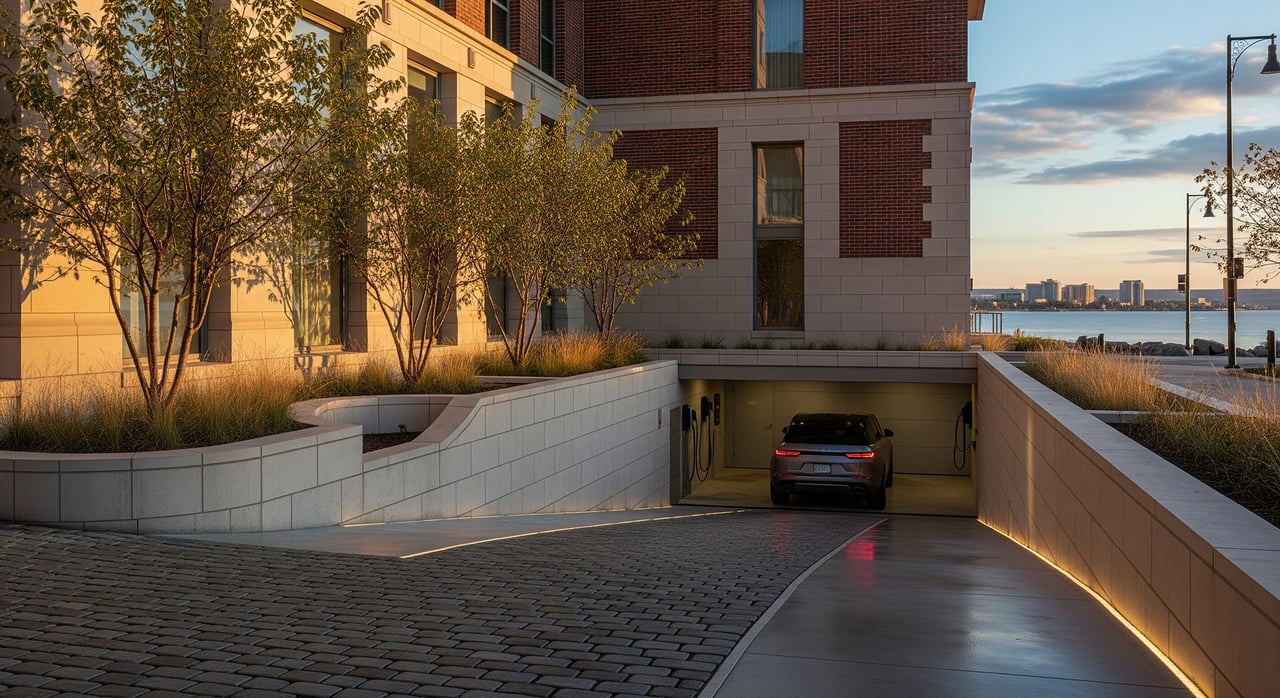
- Tandem or compact-only: Some downtown buildings use tandem stalls or restrict certain spaces to compact vehicles. The legal documents should spell out who gets which position and any size limits.
Practical implications:
- Deeded spaces and LCEs are tied to the unit. Association-assigned spaces may change with board action.
- Deeded spaces appear in title and can affect the legal description and taxes. Assigned spaces may only appear in HOA records.
- Lenders and title companies verify recorded parking interests during financing and closing.
Downtown parking basics
Downtown Traverse City blends city-managed meters, public lots and garages, private surface lots, and building-specific parking. Seasonal visitors and events increase demand, especially on weekends and in summer.
- On-street meters and public lots: Rules and rates are set by the City’s parking division. Expect time limits for meters and fees for surface lots and ramps. Check the City’s current map and schedule for details.
- Enforcement and permits: Meters and posted restrictions are enforced by the municipal parking team. Monthly permits may be available in some public or private facilities when a building offers no or limited onsite parking. Verify availability and terms directly with the City or lot operator.
- Winter operations: Northern Michigan cities typically use winter parking rules to allow plowing. In Traverse City, expect seasonal restrictions and snow emergency procedures. Confirm dates, hours, and enforcement before you rely on street parking overnight.
- Event impacts: Large festivals and peak tourism periods limit street and lot availability. If your building lacks guaranteed spaces, plan backups for guests and second vehicles during high-demand weekends.
How HOA rules shape daily life
Your experience day-to-day is defined by the condo’s governing documents and policies. Before you fall in love with a kitchen, read the parking rules.
Key documents to review:
- Master deed and declaration, including the plat and unit schedule, to see whether spaces are deeded or LCEs and how they are allocated.
- Bylaws and rules for daily parking operations, guest policy, towing, and enforcement.
- Budget, balance sheet, and reserve study for costs tied to garages, surface lots, lighting, snow removal, and repairs.
- Meeting minutes and violation logs to understand enforcement and any planned capital work on parking areas.
- Insurance summaries for liability coverage in common parking areas.
Operational considerations:
- Guest parking: Some HOAs require passes or limit visitor time. Others restrict overnight guest parking.
- Tandem use: Works for one household that moves cars in sequence, but it can be inconvenient with independent schedules.
- EV charging: Installations often require board approval and cost allocation rules. Clarify metering and electricity payment.
- Rental rules: Short-term rentals can strain parking supply. Many HOAs regulate them to manage turnover and enforcement.
Value, convenience, and resale
In a walkable downtown, guaranteed parking often carries a convenience premium. Covered or deeded spaces tend to boost desirability. The exact price impact is local and is best measured by recent comparable sales.
What to weigh:
- Convenience premium: Reserved or covered spaces can help a unit sell faster and for more. Quantify with building and neighborhood comps.
- Ongoing costs: Garages add maintenance obligations for ventilation, lighting, concrete work, and snow removal. These costs show up in HOA dues.
- Special assessments: Aging ramps or membranes may require capital projects. Review reserves and planned work to avoid surprises.
How to quantify impact:
- Compare similar sales with and without deeded or assigned spaces in the same or nearby buildings.
- Ask local appraisers how the market views parking in downtown Traverse City.
- Track days on market differences for listings with and without guaranteed parking.
Buyer checklist: verify before you offer
Use this list on tours and during due diligence. Ask for written confirmation when possible.
Legal and title
- Is any parking space deeded to the unit? Confirm recording at the county.
- Are parking rights designated as limited common elements? Verify in the declaration and plat.
- Are there recorded easements for off-site parking?
- Request the HOA’s parking rules, guest policy, and towing procedures, plus any pending changes.
Practical use and restrictions
- Which specific numbered space belongs to the unit? Is the location and size right for your vehicle?
- Are spaces available year-round or subject to seasonal restrictions?
- Is parking tandem or compact-only? Who gets the inside position?
- Are there height or clearance limits in the garage?
Financial and liability
- Are there extra fees for assigned or garage spaces, or are costs included in dues?
- How much is reserved for parking structure maintenance? Any planned capital projects or special assessments?
- Who pays for snow removal, repairs, and lighting?
Enforcement and convenience
- What is the process for guest parking? Are passes required and hours limited?
- How does the HOA handle violations? Are towing and fines common?
- If the unit lacks a guaranteed space, are monthly municipal or private options available nearby?
Technical and upgrades
- Are EV chargers allowed or already installed? Who pays for installation and electricity?
- Are there cameras, access control, or security lighting in garages? Any history of theft or vandalism?
Municipal and seasonal
- Are there resident permits or zone rules for overnight street parking?
- What are the winter parking rules and snow emergency procedures for your block?
Closing and title
- Ensure the purchase contract conveys the correct parking interest.
- Confirm the title commitment and association records tie any LCE space to your specific unit.
Common scenarios and your plan
No deeded space
- Budget for a monthly permit in a nearby lot or ramp if available.
- Learn street meter hours, overnight restrictions, and winter rules for your block.
- Set a guest plan for peak-season weekends.
One assigned space
- Decide how to rotate vehicles and who uses the space daily.
- Explore backup options for the second car during events and winter storms.
- If the stall is tandem, coordinate routines to avoid block-ins.
Two drivers, tight garage
- Measure stall width and height, especially for SUVs and roof racks.
- Ask about compact-only designations and turning radius to your stall.
- Confirm snow and ice treatment for sloped drives and entries.
Guest parking playbook
- Ask for the building’s guest policy: time limits, passes, and overnight rules.
- During festivals or peak season, line up alternatives for visitors in advance.
- Share clear instructions with guests on where to park and how to access the building.
EV charging and future-proofing
- Confirm whether the HOA allows chargers in assigned or deeded stalls and what approvals are required.
- Clarify installation standards, metering, and who pays for electricity and maintenance.
- Review reserve planning for electrical upgrades that may benefit multiple owners.
How Lydia helps you compare
Parking can be the difference between a seamless downtown lifestyle and daily friction. You deserve clarity before you commit. As a Traverse City specialist with deep experience in downtown condominiums and development sales, Lydia brings a practical framework to evaluate parking rights, HOA strength, and long-term costs. You will get a clean side-by-side of deeded versus assigned options, realistic backup plans for guests and seasons, and a strategy to capture the convenience premium at resale.
When you are ready, reach out for document review, comp analysis, and a tailored plan for your lifestyle. Schedule a conversation with Lydia Wiley to get started.
FAQs
What does deeded parking mean for a Traverse City condo?
- A deeded space is a specific stall recorded with your unit that transfers at sale and typically appears in title records.
How do limited common element parking rights work?
- An LCE is part of the condo property but reserved for your unit’s exclusive use and is described in the declaration and plat.
Can my HOA reassign my parking spot later?
- If your space is association-assigned rather than deeded or LCE, the board may reassign it per the governing documents.
What should I expect for winter street parking downtown?
- Expect seasonal rules and snow emergency procedures to allow plowing. Confirm dates, hours, and enforcement with the City before relying on overnight street parking.
How do I handle guest parking during summer festivals?
- Check your HOA’s visitor policy and secure backups in nearby lots or garages. High-demand weekends reduce on-street availability.
Will parking affect my condo’s resale value?
- Reserved or covered parking often adds a convenience premium. Measure impact with local comps and days-on-market comparisons.
Is EV charging allowed in assigned or deeded stalls?
- Many HOAs require board approval and set cost and metering rules. Review policies and reserve plans before you buy.
How do I confirm a parking space transfers at closing?
- Verify the recorded declaration and plat for deeded or LCE rights and ensure the title commitment and contract include the correct parking interest.