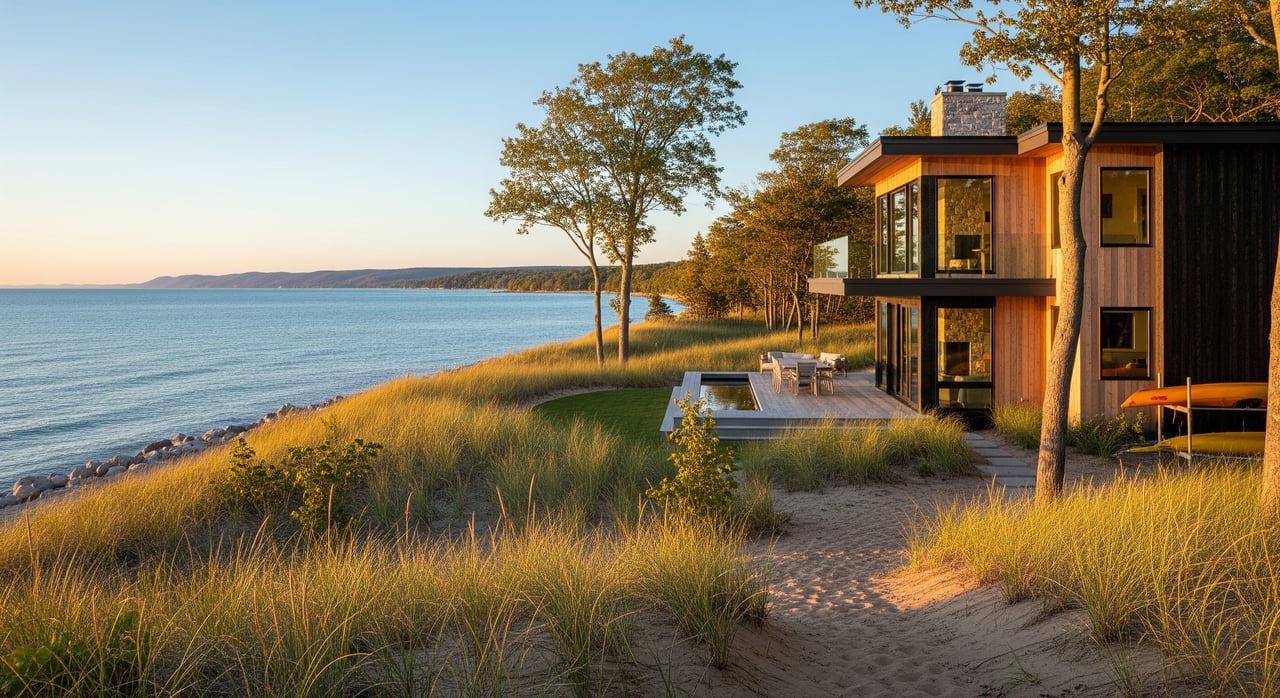
Thinking about a second home in Glen Arbor? You’re not alone. Remote and hybrid work have kept Northern Michigan on many wish lists, and Glen Arbor’s lakes, trails, and small‑town charm make it a standout. In this guide, you’ll learn the real trends shaping the market, what to expect with financing and inspections, how rental rules affect your plan, and the steps to buy with confidence. Let’s dive in.
Why Glen Arbor draws second-home buyers
Lifestyle and location
Glen Arbor sits on the Lake Michigan shoreline, with quick access to Sleeping Bear Dunes National Lakeshore and the clear waters of Glen Lake. You can boat, fish, hike, and enjoy wineries and seasonal festivals within minutes of most homes. This combination of outdoor recreation and a walkable village creates steady interest, especially during spring and summer.
Property types and price tiers
You’ll see a mix of lakefront cottages, lake‑view homes, wooded cabins, village residences, condominiums, and buildable lots. Properties on Lake Michigan or along Glen Lake and the Crystal River corridor often command premiums because of views and water access. Condos and planned developments can offer lower maintenance and sometimes professional rental management.
Seasonality and inventory
Listing activity rises in spring and early summer, then cools into late fall and winter. The most sought‑after categories, like waterfront and near‑water homes, tend to have tight inventory. Key takeaway: be ready early in the season and move decisively when the right home appears.
Owning smart: financial and lending basics
Financing a second home
Second‑home mortgages often require larger down payments and may carry higher interest rates than primary residences. Lenders can ask for occupancy certifications, intent statements, and stricter debt‑to‑income thresholds. Cash purchases are common in resort markets, but local mortgage partners experienced with second‑home and construction lending can broaden your options.
Counting the carrying costs
Budget for property taxes that adjust with transfers and improvements. Lakeshore insurance can be higher, and wind or hail deductibles may apply. Set aside funds for seasonal maintenance, winterizing plumbing and HVAC, and consider year‑round property management if you won’t be local.
Closing costs and transfer items
Expect standard Michigan closing costs, title and escrow fees, and recording charges. Ask your title company or a local real‑estate attorney about any county‑specific fees or transfer taxes. Planning ahead avoids last‑minute surprises at the closing table.
Due diligence for lake and near-lake homes
Inspections that matter
Northern Michigan winters mean you should pay close attention to roofs, insulation, windows, and evidence of freeze‑thaw wear. Have a qualified inspector evaluate the foundation, water intrusion, HVAC, and any signs of prior winter damage. In rural areas, prioritize septic and well inspections to confirm capacity, age, and service history.
Surveys, shoreline rights, and access
If the property is on or near water, confirm lot boundaries, riparian rights, and any recorded easements. Ask about shoreline setbacks, bluff stability, and past erosion. When available, review geologic or erosion reports and consult shoreline professionals if you see retaining structures or unusual grading.
Utilities and winter access
Verify broadband speeds if you plan to work remotely. Ask about seasonal road plowing, private road maintenance agreements, and fees tied to associations. Year‑round access can be the difference between occasional visits and true four‑season use.
Short-term rentals: rules and reality
What to verify before you buy
Short‑term rental regulations vary by township and can include licensing, registration, occupancy limits, or defined zones. If a property is in a condominium or planned community, review HOA rules and any rental restrictions. Confirm tax collection requirements for transient lodging and the current enforcement posture in the property’s jurisdiction.
Model income conservatively
Rental demand can be strong in peak season, but it is seasonal and depends on location, property type, and local rules. Build your ownership plan so it works without relying entirely on rental proceeds. If rental income is part of your strategy, treat it as a bonus rather than the base of your budget.
Shoreline, permits, and environmental factors
Erosion, water levels, and stabilization
Lake Michigan and inland lake levels change over multi‑year cycles. Shoreline recession and bluff erosion can affect long‑term value and maintenance. Ask for any historical shoreline studies or insurance claims related to erosion or flooding, and evaluate stabilization measures with qualified professionals.
Permits near lakes and dunes
Work near shorelines, wetlands, and protected dunes often requires permits from local authorities or the state environmental agency. Tree removal, shoreline structures, and certain land alterations may be regulated. If a parcel borders public land or includes a conservation area, check for deed restrictions or easements that limit modifications.
Internet, roads, and year-round use
Broadband access has become a core buying criterion for remote work and streaming. Confirm provider options and speeds at the property address rather than assuming village‑level service extends to rural roads. Also verify snow removal, private road assessments, and utility providers so you can plan for winter weekends without surprises.
A smart purchase plan for Glen Arbor
Clarify your use case. Decide how you want to use the home: seasonal retreat, weekend base, rental‑friendly, or future retirement.
Define your search lane. Prioritize location types: Lake Michigan beachfront, Glen Lake or Crystal River corridors, village walkability, or wooded privacy.
Secure financing early. Speak with a lender experienced in second homes or construction‑to‑permanent loans if you plan to build or renovate.
Time your search. Enter the market before spring listings surge so you can act quickly when the right property hits.
Run full due diligence. Order comprehensive inspections, septic and well tests, a current survey, and title review for easements and access.
Verify rules and permits. Confirm local zoning, setbacks, shoreline protections, and short‑term rental policies. If you plan changes, map out the permit path early.
Model the costs. Estimate taxes, insurance, utilities, winterization, association fees, and management. Build your budget without relying on peak‑season rent.
Prepare your offer strategy. Tight inventory means you should be ready with terms, timelines, and a clear plan for inspections and appraisals.
Work with a local advisor
Northern Michigan’s beauty comes with local nuances: seasonal roads, shoreline science, septic systems, and patchwork rental rules. An advisor who knows Glen Arbor and Leelanau County can help you align lifestyle goals with property realities and guide you through inspections, permits, and financing. If you want early access to premium listings and a white‑glove process from search to closing, connect with Lydia Wiley for a private consultation.
FAQs
How do Lake Michigan and Glen Lake properties differ for buyers?
- Lake Michigan parcels often carry premiums and may face bluff and wave exposure, while Glen Lake properties offer clear inland water with different maintenance and setback considerations.
What inspections should I require for a Glen Arbor waterfront home?
- Prioritize full home, septic, and well inspections, plus evaluation of shoreline structures, erosion history, and a current survey confirming boundaries and water rights.
Are short-term rentals allowed in Glen Arbor Township?
- Rules vary by township and community, and may include licensing, occupancy limits, or restricted zones, so verify current ordinances and HOA covenants before relying on rental income.
How should I budget for carrying costs on a second home in Leelanau County?
- Plan for adjusted property taxes after purchase, lakeshore insurance, utilities, winterization, potential association fees, and optional property management services.
Is Glen Arbor accessible in winter for weekend use?
- Many roads are plowed, but access varies by location and private road agreements, so confirm snow removal plans and utility reliability for your specific property.